
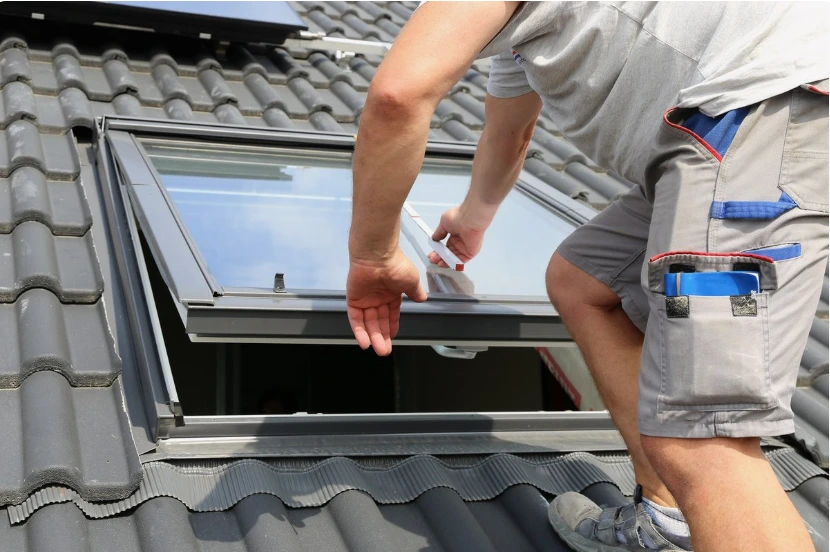
A skylight can look perfectly fine during dry weather but start leaking when heavy rain hits your roof. You might notice water dripping around the frame, damp spots on the ceiling, or moisture running down the interior wall beneath the skylight. If this happens only during strong storms, it can be difficult to identify the source of the problem.
So, why does a skylight leak only during heavy rain? In many cases, the issue involves damaged flashing, deteriorated seals, loose roofing materials, clogged drainage channels, or water entering through a vulnerable section of the roof. Heavy rainfall can expose problems that lighter rain does not reveal.
For homeowners in Wylie, Rowlett, Plano, Allen, Frisco, and surrounding North Texas communities, understanding the possible causes can help prevent a small skylight leak from developing into more serious roof damage.
Why Does My Skylight Leak Only When It Rains Heavily?
A skylight is installed through the roof, which means its surrounding area must be properly sealed and protected from rainwater. When the installation or protective components begin to fail, water can find a path into the home.
During light rain, water may drain away before reaching the damaged area. However, heavy rain creates greater water volume and can push water into small openings that normally remain unnoticed.
Several problems can cause this type of leak:
- Damaged skylight flashing: Flashing directs rainwater away from the skylight. If it becomes loose, bent, rusted, or damaged, water may enter beneath the roofing materials.
- Worn or cracked seals: The seals around a skylight can deteriorate over time, allowing water to pass through gaps.
- Improper skylight installation: Incorrect placement, inadequate flashing, or poor sealing can create openings around the skylight.
- Damaged shingles: Missing, cracked, or lifted shingles near the skylight can allow rainwater to reach the roof decking.
- Blocked drainage areas: Debris around the skylight can interfere with normal water drainage and cause water to collect near vulnerable areas.
Identifying the actual source is important because water appearing around the skylight does not always mean the glass itself is damaged.
1. Damaged or Improperly Installed Skylight Flashing
One of the most common reasons a skylight leaks during heavy rain is a flashing problem.
Skylight flashing consists of metal components installed around the skylight where it meets the roof. Its purpose is to direct rainwater away from the opening and toward the roof’s drainage path.
When flashing is installed correctly, it helps prevent water from entering beneath the surrounding shingles.
However, flashing can develop problems due to:
- Improper installation.
- Loose or separated metal sections.
- Corrosion or physical damage.
- Missing or deteriorated sealing materials.
- Roofing materials installed incorrectly around the skylight.
During heavy rainfall, water may collect around the skylight and enter through these openings.
What homeowners may notice: Water stains near the upper corners of the skylight, damp drywall, or dripping around the interior frame after a storm.
A roofing professional can inspect the flashing and surrounding roofing materials to determine whether the issue requires resealing, flashing repair, or more extensive work.
2. Worn or Cracked Skylight Seals
Skylight seals help close gaps between different components and reduce the possibility of water entering the home.
Over time, exposure to sunlight, temperature changes, moisture, and normal aging can cause sealing materials to deteriorate.
When seals become cracked, loose, or separated, rainwater may enter through small openings.
This problem may not be noticeable during ordinary rainfall. Heavy rain can send more water toward the affected area, making an existing weakness easier to detect.
Look for these possible warning signs:
- Visible gaps around the skylight frame.
- Cracked or peeling sealant.
- Moisture around the interior edges.
- Water stains appearing after storms.
- Damp areas near the ceiling opening.
Replacing damaged sealing materials may help in some situations, but applying new sealant over an existing problem is not always the right solution. If flashing or installation is responsible, the underlying issue must also be addressed.
3. Damaged or Missing Roof Shingles Around the Skylight
Sometimes homeowners assume a skylight is leaking because water appears directly around its frame. However, the actual source may be damaged roofing materials nearby.
Shingles protect the roof from rain and help direct water toward the gutters. When shingles crack, curl, loosen, or go missing, rainwater can reach the underlayment and roof decking.
Heavy rainfall can make this problem worse, particularly when wind pushes water beneath lifted roofing materials.
Check for these warning signs from a safe ground-level position:
- Missing shingles around the skylight.
- Cracked or curled roofing materials.
- Shingle pieces or granules collecting near downspouts.
- Visible damage following a storm.
- Water stains appearing in the attic near the skylight opening.
If the roof surrounding the skylight is damaged, repairing only the skylight seal may not solve the problem.
A proper roof inspection should include the surrounding shingles, flashing, underlayment, and roof structure.
4. Improper Skylight Installation
A skylight must be installed according to the roof’s design, slope, and the manufacturer’s installation requirements.
If the opening is not prepared correctly or the flashing system is not properly integrated with the roofing materials, water can enter around the skylight.
Installation-related problems may include:
- Incorrect flashing placement.
- Poor integration with surrounding shingles.
- Inadequate waterproofing.
- Incorrect skylight positioning.
- Installation that does not account for the roof slope.
These problems can remain hidden for some time. A skylight may appear normal until heavy rain exposes the weakness.
If a relatively new skylight begins leaking during storms, it is worth having the installation and flashing inspected rather than assuming the glass needs replacement.
5. Clogged Drainage Areas Around the Skylight
Leaves, branches, dirt, and other debris can collect around roof openings and interfere with normal water movement.
When rainwater cannot drain away properly, it may remain near the skylight for longer than expected.
This can increase the likelihood of water entering through an existing gap or damaged section.
The problem may be more noticeable when:
- Trees hang over the roof.
- Debris collects around the skylight.
- Roof drainage is already restricted.
- Heavy rain produces more water than the affected area can drain efficiently.
Homeowners should not climb onto the roof to remove debris, especially during or immediately after a storm. A professional can check whether drainage problems are contributing to the leak.
6. Roof Damage Around the Skylight
A skylight leak can also be connected to broader roof damage.
Strong winds, hail, falling branches, and aging roofing materials can weaken the area surrounding a skylight. Even if the skylight itself is undamaged, water may enter through the roof and travel along the decking or framing before becoming visible indoors.
This can make it difficult to determine exactly where the water is entering.
For example, water may enter several inches away from the skylight and travel along a roof component before appearing around the interior frame.
That is why an inspection should cover the surrounding roof area instead of focusing only on the visible water stain.
Skylight Condensation or Leak: How Can You Tell the Difference?
Not every moisture problem around a skylight is caused by rainwater entering the roof. Sometimes the issue is condensation.
Understanding the difference between skylight condensation and a roof leak can help homeowners identify what needs attention.
| Sign | Skylight condensation | Skylight roof leak |
|---|---|---|
| When it appears | Often during temperature or humidity changes | Often during or after rainfall |
| Where moisture appears | On the glass or interior frame | Around the frame, ceiling, or nearby drywall |
| Appearance | Fog, droplets, or water on the glass | Dripping, water stains, or damp materials |
| Common cause | Moist indoor air meeting a cooler surface | Damaged flashing, seals, shingles, or installation |
| Weather connection | May occur without rain | Often becomes noticeable after rain |
Why Is There Water Dripping From My Skylight?
If water droplets form on the inside surface of the skylight glass, condensation may be responsible.
Warm indoor air contains moisture. When that air comes into contact with a colder skylight surface, the moisture can turn into water droplets.
This can happen during cooler weather, especially when indoor humidity is high.
However, if water appears around the skylight frame, spreads across the ceiling, or becomes noticeable specifically after heavy rainfall, a roof leak should be investigated.
Sometimes condensation and a roof leak can occur at the same time. A professional inspection can help distinguish between the two.
What Should You Do When Your Skylight Leaks During Heavy Rain?
If you notice water coming through your skylight, take steps to protect your home and arrange an inspection.
1. Protect the Area Below the Skylight
Move furniture, electronics, rugs, and other belongings away from the leaking area.
Place a container beneath active dripping to collect water and reduce damage to the floor.
2. Document the Leak
Take pictures or videos of the water, stains, and visible damage.
Record when the leak started and whether it appeared during heavy rain, strong winds, or after a storm.
This information can help a roofing professional understand the conditions under which the problem occurs.
3. Check the Attic if It Is Safe
If you can safely access the attic, look for damp insulation, water stains, or moisture around the roof opening.
Do not touch wet electrical wiring, ceiling fixtures, or areas where the structure may be unsafe.
Remember that the location of the interior water stain may not be the exact point where water enters the roof.
4. Avoid Climbing Onto the Roof
Wet roofing materials can be extremely slippery. Avoid attempting to inspect, seal, or repair the skylight from the outside during or immediately after rainfall.
Temporary interior protection is safer while you arrange a professional assessment.
5. Schedule a Professional Skylight and Roof Inspection
A roofing professional can examine the skylight, flashing, surrounding shingles, seals, and roof structure.
The inspection should identify the source of the water before repairs are recommended.
If the leak is caused by damaged flashing, replacing the skylight may not be necessary. If the skylight itself is cracked or has deteriorated components, repair or replacement may be appropriate.
Can a Skylight Leak Be Repaired, or Does It Need Replacement?
The right solution depends on the condition of the skylight and the surrounding roofing system.
Not every skylight leak requires a complete replacement. In many cases, the problem can be addressed by repairing the affected component.
Skylight repair may be appropriate when:
- Flashing is loose or damaged but the skylight remains in good condition.
- Seals have deteriorated.
- Minor installation-related issues can be corrected.
- Nearby shingles need repair.
- The skylight frame and glazing are still in suitable condition.
Skylight replacement may be worth considering when:
- The skylight glass or frame is cracked.
- The unit has significant deterioration.
- Repeated leaks continue despite previous repairs.
- The skylight has reached the end of its useful service life.
- The existing unit has installation or compatibility problems that cannot be reasonably corrected.
A professional assessment can help determine whether a targeted repair or complete skylight replacement is the more appropriate option.
How Can You Prevent Skylight Leaks During Heavy Rain?
Routine roof maintenance can help identify small problems before they lead to interior water damage.
Consider these preventive steps:
- Inspect skylight flashing: Check for visible signs of separation, corrosion, or damage during professional roof inspections.
- Maintain surrounding shingles: Replace damaged or missing roofing materials when needed.
- Keep roof drainage clear: Have accumulated leaves and debris removed safely.
- Check interior signs of moisture: Watch for discoloration, damp drywall, or recurring condensation.
- Address small leaks early: Do not ignore moisture simply because it disappears when the weather becomes dry.
- Review previous repairs: If the skylight has leaked before, make sure the underlying cause was corrected.
For North Texas homeowners, periodic roof inspections are especially useful after severe weather. Strong winds, hail, and heavy rainfall can affect the roofing materials and flashing around skylights.
Skylight Repair and Installation in Wylie, Rowlett, and Nearby North Texas Areas
A leaking skylight can affect more than the area directly below the opening. If water continues entering the roof, it may damage insulation, drywall, roof decking, and nearby interior finishes.
Pyramid Roofing helps homeowners address roofing and skylight concerns through its residential exterior services. Whether you are noticing water around a skylight after heavy rain, damaged roofing materials, or signs of a possible installation problem, identifying the source is the first step toward choosing the right repair.
Homeowners in Wylie, Rowlett, Plano, Allen, Frisco, Melissa, Anna, and surrounding communities can contact Pyramid Roofing to discuss their roofing and skylight service needs.
Do not wait for the next storm to investigate a recurring skylight leak. Contact Pyramid Roofing at (972) 272-3595 to discuss your skylight repair or installation needs.
Frequently Asked Questions
1. Why does my skylight leak only during heavy rain?
A skylight may leak during heavy rain because damaged flashing, worn seals, loose shingles, or improper installation allow water to enter when more rainwater reaches the roof. Light rain may not expose the same weakness.
2. Can a skylight leak without the glass being broken?
Yes. A skylight can leak even when the glass is intact. Damaged flashing, deteriorated seals, installation problems, and roofing damage around the unit can all allow water to enter.
3. Why does my skylight leak when it rains but not when it snows?
Rainwater can flow across the roof and collect around vulnerable areas. Depending on roof conditions and how water drains, the same problem may not appear during snowfall. A leak that occurs during rain should still be inspected.
4. Is skylight condensation the same as a roof leak?
No. Condensation forms when moisture in indoor air collects on a cooler skylight surface. A roof leak happens when outside water enters through a damaged or poorly sealed part of the roof or skylight assembly.
5. Can I fix a leaking skylight with caulk?
Caulk may temporarily cover a small gap, but it does not correct every cause of a skylight leak. If the flashing is damaged, shingles are loose, or the installation is incorrect, the underlying issue must be repaired.
6. Should I replace my skylight if it leaks during storms?
Not necessarily. If the glass and frame are in good condition, repairing the flashing, seals, or nearby roofing materials may resolve the problem. Replacement is more appropriate when the skylight itself is damaged or significantly deteriorated.
7. Who should inspect a leaking skylight?
A roofing professional experienced with skylight repair and installation can inspect the flashing, surrounding shingles, seals, and roof structure to identify where water is entering.