
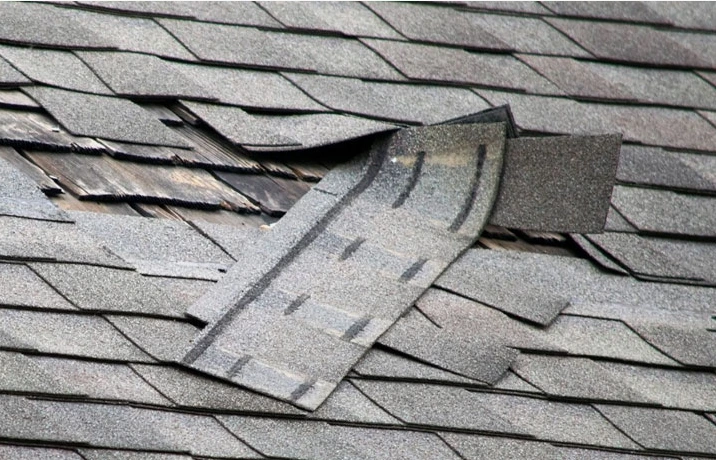
Noticing missing shingles on your roof can be concerning, especially when rain or strong winds are in the forecast. Even a small section of missing shingles can expose the protective layers underneath to moisture, sunlight, and changing weather conditions. If the exposed area is not repaired, water may eventually reach the roof decking, attic, insulation, or ceilings inside your home.
A few missing shingles do not automatically mean you need a complete roof replacement. In many cases, a professional roof repair can address the damaged section and help prevent further problems. However, the right solution depends on the condition of the surrounding shingles, the roof’s age, and whether moisture has already reached the materials beneath the surface.
For homeowners in Wylie, Rowlett, and nearby North Texas communities, checking for roof damage after strong winds, hail, or heavy rain is an important part of home maintenance. Understanding what causes shingles to go missing and what to do next can help you respond before a minor roofing issue becomes a larger repair.
What Should You Do When Shingles Are Missing From Your Roof?
If you discover missing shingles, take a few practical steps to understand the situation and reduce the risk of additional damage.
1. Inspect Your Roof From the Ground
Start by walking around your property and looking at the roof from a safe location. Do not climb onto the roof to get a closer look. Instead, use binoculars or your phone’s camera to check for visible gaps, exposed underlayment, lifted shingle edges, or uneven sections.
Look for these warning signs:
- Dark or bare patches where shingles should be
- Shingles lying in your yard or driveway
- Roofing material hanging loose near the edges
- Uneven or lifted shingle rows
- Visible damage around roof valleys, vents, and chimneys
You may not be able to see every problem from the ground, but these observations can help you identify areas that need professional attention.
2. Check Your Attic for Signs of Moisture
If your attic is safely accessible, look for signs that water may have entered the roof structure. You do not need to climb onto the roof or disturb any roofing materials to perform this check.
Pay attention to:
- Water stains on the underside of the roof decking
- Damp or compressed insulation
- Dark discoloration on wooden surfaces
- Musty odors that may indicate moisture
- Visible water droplets or damp areas
Keep in mind that a roof leak may appear inside the house some distance from the original roof damage. Water can travel along decking, framing, and other surfaces before becoming visible.
3. Document the Visible Damage
Take photographs of missing shingles, loose roofing materials, and any interior water stains you notice. If shingles have fallen into your yard, photograph those as well.
If you suspect the damage occurred during a storm, record the approximate date and any visible weather-related damage. This documentation may be useful when discussing the problem with a roofing contractor or your insurance provider.
4. Protect the Interior if Water Is Entering
If you notice active leaking, move furniture, electronics, and other belongings away from the affected area. Place a container beneath an active drip if it is safe to do so.
If water is collecting near electrical fixtures, outlets, or wiring, avoid the area and seek appropriate professional assistance. Do not attempt to cover a damaged roof yourself, particularly during rain or high winds.
A qualified roofing contractor can determine whether temporary weather protection is needed until permanent repairs can be completed.
5. Arrange a Professional Roof Inspection
A professional inspection can identify damage that is difficult to recognize from the ground. A roofing contractor can check the missing section, surrounding shingles, flashing, roof valleys, and exposed materials to determine the extent of the problem.
The inspection can also help establish whether a localized roof repair is appropriate or whether the roof has more widespread deterioration.
Why Do Roof Shingles Go Missing?
Shingles are designed to protect the roof from outdoor conditions, but several factors can weaken their attachment or damage the material over time.
1. Strong Winds Can Lift and Remove Shingles
Wind is one of the common causes of missing shingles. When strong gusts reach the roof, they can create pressure beneath shingle edges, particularly where the adhesive seal has weakened.
Once a shingle begins lifting, repeated wind exposure can loosen its fasteners, crease the material, or tear it away completely.
The risk may be greater around roof edges, ridges, and corners, where wind pressure can be more noticeable. In North Texas, homeowners should pay attention to roofing conditions after severe thunderstorms and strong wind events.
2. Aging Shingles Can Become Brittle
Roofing materials gradually change as they experience years of sunlight, heat, rain, and temperature fluctuations.
As asphalt shingles age, they may lose granules, become less flexible, and develop cracks. Their adhesive seals can also weaken, making it easier for wind to lift them.
If missing shingles continue appearing in different sections of an older roof, the issue may involve general material deterioration rather than one isolated problem.
3. Improper Installation Can Cause Shingle Failure
Shingles depend on correct placement and fastening to perform properly. Problems during installation can make a roof more vulnerable to wind and water intrusion.
Possible installation issues include:
- Incorrect nail placement
- Insufficient or improperly driven fasteners
- Poor alignment between shingle rows
- Improperly installed starter strips
- Inadequate sealing around roof edges and penetrations
An installation problem may not become obvious immediately. It can show up later when the roof experiences strong winds or other weather conditions.
4. Hail and Falling Debris Can Damage Shingles
Hail can create impact marks, remove protective granules, and weaken asphalt shingles. Falling branches or other debris can also crack or dislodge roofing materials.
Not every impact causes a shingle to disappear immediately. Sometimes the material remains in place but becomes damaged and more vulnerable to future weather.
After a significant storm, a professional inspection can help identify damage that may not be obvious from the ground.
5. Poor Attic Ventilation Can Contribute to Roof Deterioration
An attic that does not have appropriate ventilation may experience excessive heat and moisture buildup. Over time, these conditions can contribute to roofing material deterioration and other roof-related problems.
Ventilation is not the only factor affecting shingle performance, but it is an important part of overall roof condition and maintenance.
What Happens If You Ignore Missing Shingles?
A missing shingle does not always result in an immediate leak. However, leaving the damaged area exposed can increase the risk of moisture-related problems, particularly when rain reaches the roof.
Here are some issues that may develop if the damage is not addressed.
Water Can Reach the Underlayment and Roof Decking
The shingles form the outer protective layer of an asphalt roofing system. When they are missing, the underlayment beneath them may become exposed to weather.
Although underlayment provides an additional layer of protection, it is not intended to remain exposed indefinitely. If water gets past the roofing layers, it may reach the wooden roof decking.
Insulation Can Become Wet
Water entering through a damaged roof may reach attic insulation. Wet insulation can lose some of its insulating performance and may become a source of persistent moisture problems if it is not addressed.
Ceiling Stains and Interior Damage May Appear
A roof leak can eventually become visible as discoloration, bubbling paint, peeling drywall, or damp patches on interior ceilings and walls.
The location of an interior stain does not always identify the exact point where water entered the roof.
Wood Components May Deteriorate
Repeated or prolonged moisture exposure can damage roof decking and other wooden components. If the problem continues, repairs may involve more than replacing a few shingles.
Addressing missing shingles early can help reduce the chance of more extensive roofing and interior repairs.
How Can You Tell Whether Your Roof Has Missing or Damaged Shingles?
Not all roof damage is easy to recognize. Some problems are visible from the ground, while others require a closer professional inspection.
Watch for the following signs:
Dark or exposed roof sections: Gaps in the shingle pattern may reveal underlayment or other roofing layers.
Shingles in the yard: Roofing pieces on the ground after a storm may indicate wind damage or loose materials.
Exposed roofing nails: Visible fasteners can indicate that a shingle has shifted, broken, or come loose.
Granules collecting in gutters: A small amount of granule loss can occur over time, but excessive accumulation may indicate shingle wear.
Water stains inside the home: Brown ceiling marks, damp attic surfaces, or peeling paint may indicate water intrusion.
Repeated shingle movement: If shingles continue lifting or disappearing after storms, the surrounding roof may have a larger installation or deterioration problem.
A professional roof inspection is the safest way to determine whether the damage is limited to one section or affects a larger portion of the roof.
Can You Replace Missing Roof Shingles Yourself?
Some homeowners consider replacing a missing shingle themselves, especially when the visible damage appears small. However, roofing repairs can involve more than placing a new shingle over an exposed area.
The surrounding shingles may be brittle, the underlayment may be damaged, or the roof decking may have already absorbed moisture. A replacement shingle must also be compatible with the existing roofing system and installed correctly.
Working on a roof also creates a serious fall risk. Steep slopes, loose materials, wet surfaces, and unexpected weather can make the work particularly dangerous.
For these reasons, homeowners should avoid climbing onto damaged roofs. A professional roofing contractor can inspect the affected area, determine what needs to be repaired, and complete the work using appropriate safety procedures.
Should You Repair Missing Shingles or Replace the Entire Roof?
The right solution depends on the extent of the damage and the overall condition of the roofing system.
When Roof Repair May Be Enough
A localized repair may be suitable when:
- Only a small number of shingles are missing.
- The surrounding shingles remain in good condition.
- The underlayment and roof decking have not sustained significant damage.
- The problem is limited to one area of the roof.
- The rest of the roofing system is performing as expected.
In these situations, replacing damaged shingles and addressing the underlying cause may be sufficient.
When Roof Replacement May Be Worth Considering
A broader roofing evaluation may be necessary when:
- Shingles are missing from multiple roof sections.
- The existing shingles are brittle or deteriorating.
- Similar damage keeps appearing after storms.
- The roof has widespread granule loss or cracking.
- Water damage extends beyond the original missing-shingle area.
- The roofing system is approaching the end of its expected service life.
A roof replacement is not automatically necessary because a few shingles are missing. The decision should be based on the roof’s actual condition, repair needs, and expected remaining service life.
How Much Does It Cost to Repair Missing Roof Shingles?
The cost of repairing missing shingles depends on the amount of damage and the work needed to restore the affected area.
Several factors can influence the final repair price:
Number of missing shingles: Replacing a few shingles is generally a smaller project than repairing multiple damaged sections.
Roof accessibility: Steep slopes, multiple roof levels, and difficult access can affect the time and labor required.
Shingle type and availability: Matching the existing roofing material may affect material selection and repair requirements.
Underlayment or decking damage: If moisture has damaged the materials beneath the shingles, additional work may be necessary.
Flashing and surrounding roof components: Damage near valleys, chimneys, vents, or other roof penetrations may require additional repairs.
For homeowners in Wylie and Rowlett, an on-site assessment is the best way to understand the scope of a roof repair project. A contractor should evaluate the affected area before recommending a repair or replacement.
How Can Homeowners Prevent Shingles From Going Missing?
Although no maintenance routine can prevent every storm-related roofing problem, regular attention can help identify potential issues before they become more serious.
Schedule Roof Inspections
Have the roof inspected periodically, particularly after significant storms or when you notice signs of deterioration. An inspection can identify loose shingles, damaged flashing, and other problems that may need attention.
Keep Gutters and Roof Drainage Areas Clear
Leaves and debris can block gutters and interfere with proper water drainage. Keeping gutters clear helps rainwater flow away from the roof and foundation.
Trim Overhanging Tree Branches
Branches that hang over the roof may scrape shingles or fall during strong winds. Trimming nearby trees can reduce the risk of impact damage.
Pay Attention to Attic Ventilation
Appropriate attic ventilation helps manage heat and moisture buildup. If you notice excessive attic heat or moisture, have the ventilation system evaluated.
Address Small Roofing Problems Promptly
Loose shingles, cracked materials, and damaged flashing should not be ignored. Taking care of smaller issues can help prevent additional deterioration.
Missing Shingles After a Storm in Wylie or Rowlett? What Homeowners Should Know
North Texas homeowners can experience strong winds, hail, heavy rain, and sudden weather changes. These conditions can put pressure on residential roofing systems, especially when shingles are already aging or have weakened seals.
After a storm, look for visible changes to your roof, such as missing shingles, lifted edges, damaged flashing, or roofing debris around your property.
Homeowners in Wylie, Rowlett, Plano, Allen, Frisco, Melissa, Anna, and Dallas should also pay attention to interior warning signs. Ceiling stains, attic moisture, and water dripping near roof penetrations can indicate that water has entered the roofing system.
If you suspect storm damage, document what you can see from a safe location and arrange a professional inspection. If you believe the damage may be covered by your homeowners insurance, review your policy and contact your insurer to understand the claim requirements. Avoid assuming that every missing-shingle repair will qualify for coverage.
Frequently Asked Questions About Missing Roof Shingles
How quickly should missing shingles be replaced?
Missing shingles should be assessed and repaired as soon as reasonably possible. The urgency increases when rain is approaching, underlayment is exposed, or water is already entering the home. A roofing contractor can determine whether temporary protection is needed before permanent repairs.
Can one missing shingle cause a roof leak?
Yes. Even one missing shingle can create an opening in the roof’s protective covering. Whether water enters depends on the roof design, the condition of the underlayment, and weather conditions. A small damaged area should not be ignored.
Why are shingles missing after strong winds?
Strong winds can lift shingle edges, weaken adhesive seals, and loosen roofing fasteners. Older, brittle, or improperly installed shingles may be more vulnerable to wind damage.
Should I be concerned if I find shingles in my yard?
Yes. Shingles on the ground may indicate that part of your roof has been damaged or that roofing materials have become loose. Check the roof from the ground and arrange an inspection to identify where the material came from.
Can missing shingles be replaced without replacing the entire roof?
In many cases, yes. If the damage is limited and the surrounding roofing materials remain in good condition, a localized repair may be appropriate. A contractor should inspect the roof before determining the best solution.
Will homeowners insurance cover missing shingles?
Coverage depends on your policy and the cause of the damage. Sudden storm-related damage may be covered under some policies, while deterioration from age or neglected maintenance may be excluded. Review your policy and contact your insurance provider for specific coverage information.
How often should I have my roof inspected?
Inspection frequency depends on the roof’s age, material, condition, and exposure to severe weather. It is also sensible to arrange an inspection when you notice missing shingles, visible damage, or signs of a leak.
Get Professional Help for Missing Shingles With Pyramid Roofing
Missing shingles may look like a small roofing problem, but the exposed area can become a point of water entry when rain reaches the roof. Identifying the cause and repairing the affected section promptly can help protect your roof decking, attic, and interior spaces.
Pyramid Roofing provides roofing services for homeowners in Wylie, Rowlett, Plano, Allen, Frisco, Melissa, Anna, and Dallas, TX. If you have noticed missing shingles, loose roofing materials, or possible storm damage, our team can help assess your roofing needs and discuss the appropriate next steps.
Do not wait until a ceiling stain or active leak appears before paying attention to roof damage. Contact Pyramid Roofing at (972) 272-3595 to discuss your roofing concerns and arrange an evaluation.