
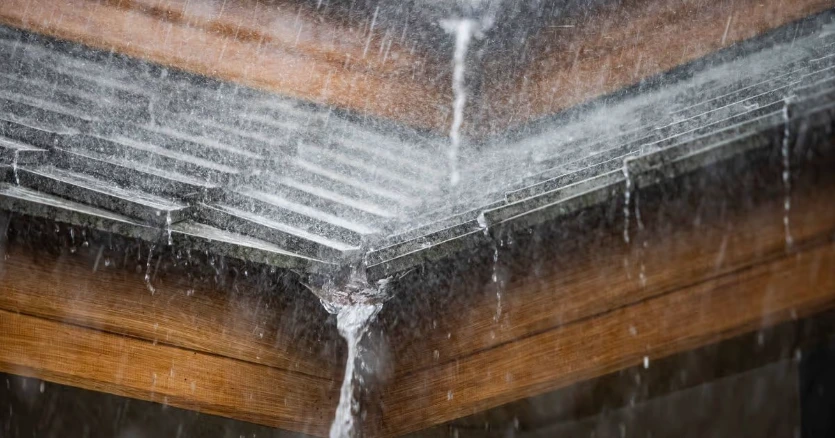
Skylights are a popular addition to residential properties because they allow natural light to enter rooms that might otherwise feel dark. They can brighten kitchens, bathrooms, hallways, and living spaces while creating a more open indoor environment. However, when heavy rain arrives, a leaking skylight can quickly become a concern for homeowners.
Water dripping around a skylight, damp ceiling materials, or moisture appearing near the window frame may indicate a problem with the installation, flashing, sealant, or surrounding roofing materials. Even a small leak can lead to ceiling stains, damaged insulation, peeling paint, and other moisture-related issues if left unaddressed.
Understanding why skylights leak during heavy rain can help homeowners recognize potential problems and determine when repairs are necessary.
1. Damaged or Improperly Installed Skylight Flashing
Flashing is one of the most important components of a skylight installation. It consists of metal or other compatible materials designed to direct rainwater away from the skylight opening and prevent water from entering the roof.
When flashing is damaged, loose, corroded, or incorrectly installed, rainwater may find a path beneath the roofing materials.
This problem can become more noticeable during heavy rainfall because larger amounts of water move across the roof in a shorter period.
Common flashing problems include:
- Bent or damaged flashing sections
- Improperly overlapped flashing pieces
- Missing flashing components
- Corrosion around older metal flashing
- Incorrect installation around the skylight frame
A professional inspection can help identify whether the flashing needs adjustment, repair, or replacement.
2. Worn or Deteriorated Sealant
Sealant is often used around certain skylight components to help prevent water penetration. However, exposure to sunlight, temperature changes, and weather conditions can cause some sealants to deteriorate over time.
As sealant ages, it may crack, shrink, separate from surrounding surfaces, or lose its ability to create a proper seal.
During heavy rain, water can enter through these small openings and travel beneath the skylight frame or surrounding roofing materials.
Homeowners may notice:
- Small water droplets around the skylight edges
- Dampness near interior trim
- Visible cracks in exterior sealant
- Water stains around the ceiling opening
Applying additional sealant without identifying the actual source of the leak may only provide a temporary result. The underlying problem should be inspected before repairs are selected.
3. Improper Skylight Installation
Correct installation plays a major role in preventing skylight leaks. A skylight must be installed according to the manufacturer’s instructions and suitable roofing requirements.
Problems can develop when the skylight is not properly aligned, the opening is incorrectly prepared, or the flashing system is not integrated correctly with the surrounding roof.
Incorrect installation may create gaps that allow rainwater to enter during storms.
Other installation-related issues can include:
- Incorrect skylight placement
- Improper fastening
- Inadequate waterproofing around the opening
- Incorrect flashing configuration
- Failure to account for the roof’s slope
If a skylight leaks soon after installation, the installation details should be reviewed to determine whether a correction is needed.
4. Damaged or Missing Roofing Materials Around the Skylight
A skylight does not function independently of the roof surrounding it. Shingles, underlayment, and other roofing materials help protect the area from rainwater.
If these materials become damaged, displaced, or deteriorated, water may reach the skylight opening or enter through nearby roof sections.
For example, strong winds may lift shingles, while aging roofing materials can crack or lose their protective surface.
Signs of surrounding roof damage may include:
- Missing or lifted shingles
- Cracked roofing materials
- Loose sections around the skylight
- Water stains that extend beyond the skylight frame
- Damaged underlayment
Sometimes, homeowners assume the skylight itself is leaking when the actual source is a nearby roofing problem. Inspecting the surrounding roof can help distinguish between these issues.
5. Clogged Gutters and Poor Roof Drainage
Gutters and downspouts help move rainwater away from the roof and foundation. When gutters become blocked by leaves, dirt, and other debris, water may not drain properly.
Poor drainage can contribute to water accumulation near roof edges and other vulnerable areas. Depending on the roof design and drainage conditions, this may increase the chance of water reaching damaged roofing components.
Homeowners should pay attention to:
- Gutters filled with leaves or debris
- Water overflowing during rainfall
- Downspouts that are blocked
- Standing water in areas where drainage should occur
Regular gutter cleaning and roof inspections can help identify drainage problems before they contribute to more extensive water damage.
6. Cracked or Damaged Skylight Glass and Frame
Skylight glass and frames are exposed to changing temperatures, sunlight, wind, and severe weather. Over time, these conditions can contribute to material deterioration or physical damage.
Cracks in the glass, damaged frame components, or deteriorated connections may allow moisture to enter the skylight assembly.
However, not every sign of moisture around a skylight means the glass is cracked. Water may also enter through the flashing or roof opening and become visible around the interior frame.
If you notice visible cracks, damaged frame sections, or recurring moisture, have the skylight inspected to determine whether repair or replacement is appropriate.
7. Condensation That Looks Like a Roof Leak
Not all moisture around a skylight comes from rain entering through the roof. In some situations, condensation can create water droplets that resemble a leak.
Condensation develops when warm, moist indoor air comes into contact with a cooler surface. Skylights may be particularly noticeable locations for condensation because their glass and frames are exposed to outdoor temperatures.
Common signs include:
- Water droplets on the inside surface of the glass
- Moisture appearing during cold mornings
- Fogging between certain glass layers
- Dampness that occurs even when it has not rained
Improving ventilation, managing indoor humidity, and checking the skylight’s insulation can help address some condensation problems.
If moisture appears specifically during rainfall, however, the skylight and surrounding roof should be inspected for water entry.
Warning Signs That Your Skylight May Be Leaking
Skylight leaks are not always immediately obvious. Water may travel through roofing materials or ceiling cavities before becoming visible indoors.
Watch for these warning signs:
- Brown or yellow stains around the skylight opening
- Peeling paint or bubbling ceiling finishes
- Damp drywall near the skylight
- Water droplets appearing during or after rainfall
- Musty odors around the ceiling
- Visible damage to exterior flashing or sealant
- Moisture that repeatedly appears in the same location
If these symptoms continue, it is important to identify the source rather than repeatedly cleaning or covering the affected area.
How to Help Prevent Skylight Leaks
Regular maintenance can help homeowners identify potential skylight problems before they cause more extensive damage.
Consider these preventive steps:
Inspect the roof periodically: Check for damaged shingles, loose roofing materials, and visible deterioration around the skylight.
Keep gutters clear: Remove leaves and debris so rainwater can drain away properly.
Check flashing and sealant: Have exterior skylight connections inspected when signs of deterioration appear.
Manage indoor humidity: Use suitable ventilation in kitchens and bathrooms to reduce excess moisture.
Address minor problems early: Small roofing or skylight issues may become more extensive when exposed to repeated rainfall.
Homeowners should avoid climbing onto steep or wet roofs to inspect skylights themselves. A qualified roofing professional can examine the exterior components more safely.
Should You Repair or Replace a Leaking Skylight?
The right solution depends on the condition of the skylight and the source of the water intrusion.
A repair may be suitable when the problem involves a limited flashing issue, deteriorated sealant, or a small area of surrounding roofing damage.
Replacement may be worth considering when the skylight has extensive frame deterioration, damaged glazing, recurring leaks, or an overall condition that makes reliable repair difficult.
Before making a decision, homeowners should consider the skylight’s age, material condition, installation details, and the extent of surrounding roof damage.
A professional assessment can help determine whether a targeted repair or a complete replacement is the more appropriate option.
When Should You Contact a Roofing Professional?
A skylight leak should not be ignored, particularly when water continues entering during heavy rain. Repeated moisture exposure can damage ceiling materials, insulation, and nearby structural components.
If you notice water stains, dripping, or visible damage around your skylight, consider arranging a professional inspection. An experienced roofing contractor can examine the skylight, flashing, sealant, and surrounding roofing materials to identify the likely source of the problem.
Avoid relying on surface-level sealant applications when the underlying cause has not been identified.
Need Help With Skylight Problems?
A properly installed and maintained skylight should help bring natural light into your home without allowing rainwater inside. Identifying damaged flashing, deteriorated sealant, installation problems, and surrounding roof damage can help prevent recurring leaks.
Pyramid Roofing provides residential and commercial roofing and exterior services. If you are experiencing skylight leaks or need help evaluating your roof’s condition, contact the company to discuss your property’s needs and available repair options.
Taking action when the first warning signs appear can help limit moisture damage and protect the condition of your home’s roof.