
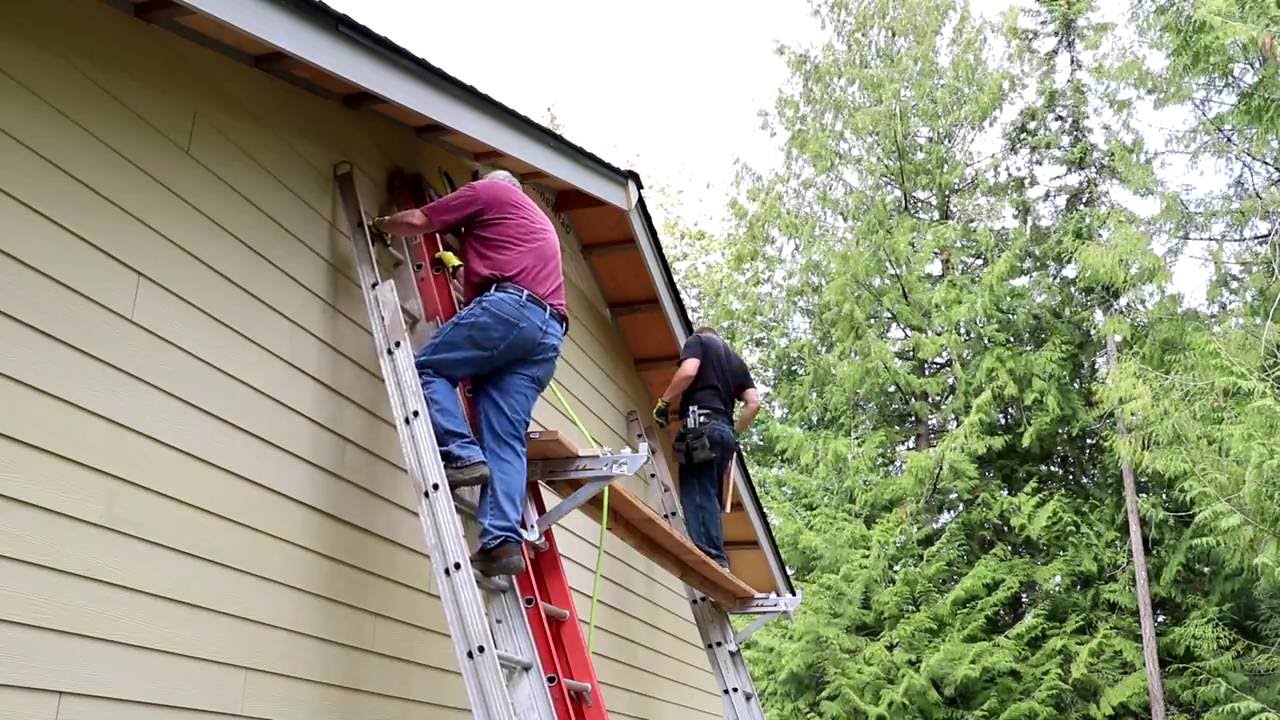
Your home’s siding isn’t just about curb appeal—it’s the first line of defense against moisture, pests, and environmental damage. Poorly maintained siding can allow water to seep in, creating the perfect environment for mold and wood rot, which can compromise both your home’s structure and your family’s health.
Proper siding maintenance not only enhances your home’s appearance but also prevents costly repairs and keeps your home safe. In this guide, we’ll cover everything you need to know about preventing mold and rot through siding care, including inspection tips, maintenance strategies, and when to call a professional.
How Siding Can Lead to Mold and Rot
Mold and rot typically develop when moisture becomes trapped inside or behind your siding. Common causes include:
- Leaky seams or gaps in siding panels
- Cracked or damaged materials from storms or impact
- Improperly installed flashing or trim
- Clogged gutters or poor drainage
- Wood siding exposed to constant moisture
When water gets trapped, it seeps into the underlying structure, creating a damp, dark environment ideal for mold growth. Over time, wood can soften and rot, compromising the strength of your home’s exterior and potentially leading to expensive structural damage.
Signs of Mold or Rot Behind Your Siding
It’s important to catch problems early. Look for these warning signs:
- Discoloration or stains on siding
- Musty or moldy odors inside or outside the home
- Soft spots or crumbling wood
- Warping, bubbling, or peeling paint
- Black, green, or white mold growth on siding or trim
If you notice any of these signs, prompt action is critical to prevent further damage.
How to Maintain Your Siding and Prevent Mold
Regular siding maintenance is the key to protecting your home from mold and rot. Here’s a step-by-step approach:
1. Inspect Your Siding Regularly
- Perform visual checks every 6–12 months
- Look for cracks, gaps, and water stains
- Check caulking around windows and doors
2. Clean Your Siding Properly
- Wash vinyl or fiber cement siding annually using a mild detergent
- Remove dirt, debris, and algae buildup
- For wood siding, use a soft brush and safe cleaning solutions to prevent water absorption
Tip: Avoid high-pressure washing on older siding, as it can force water behind panels.
3. Repair Damaged Siding Immediately
- Replace cracked, warped, or missing panels
- Seal gaps with exterior-grade caulk
- Ensure flashing and trim are properly installed
4. Maintain Gutters and Downspouts
- Clear leaves and debris regularly
- Ensure water is directed away from your home’s foundation
- Check for leaks or sagging areas
Water pooling near your siding is a major contributor to mold and rot, so proper drainage is essential.
5. Keep Surrounding Landscaping in Check
- Trim trees and bushes away from siding
- Avoid planting vines that cling to the exterior
- Ensure mulch and soil aren’t stacked against siding
Proper landscaping prevents moisture buildup and allows airflow, reducing the risk of mold growth.
6. Monitor Humidity and Ventilation
- Use attic ventilation to reduce indoor moisture
- Check for leaks in plumbing or roof areas
- Consider dehumidifiers in damp areas
High humidity inside your home can accelerate mold growth even if your siding appears intact.
Benefits of Regular Siding Maintenance
Maintaining your siding offers multiple benefits:
- Prevents mold and rot, keeping your home structurally sound
- Extends the life of siding, delaying costly replacements
- Improves energy efficiency by preventing moisture-related insulation damage
- Enhances curb appeal and protects home value
- Reduces health risks associated with mold exposure
When to Call a Professional
Some siding issues require expert attention. Call a professional if you notice:
- Extensive mold or rot behind siding
- Large soft spots or structural weakness
- Persistent water intrusion despite repairs
- Storm damage that compromises the siding
A professional contractor can perform a thorough inspection, repair or replace siding, and ensure your home is protected from future damage.
Preventive Tips for Dallas Homeowners
Dallas homes are prone to intense sun, hail, and occasional heavy rain. Preventive siding maintenance is key:
- Schedule annual inspections before storm season
- Treat wood siding with protective sealants or stains
- Replace older siding with impact-resistant or low-maintenance materials
- Ensure flashing around doors and windows is intact
Following these steps reduces the chance of mold or rot forming in harsh weather conditions.
Final Thoughts
Siding may seem like just a cosmetic feature, but it’s crucial for your home’s protection. Neglecting siding maintenance can lead to mold, rot, and structural damage, costing thousands of dollars in repairs.
By performing regular inspections, cleaning, and timely repairs, you can safeguard your home and maintain a healthy living environment. Dallas homeowners benefit most when siding is properly maintained, gutters are clear, and professional inspections are done regularly.
Don’t wait until damage is visible—prevent mold and rot before it starts.
Need Professional Siding Maintenance in Dallas?
Our team provides expert siding repair, replacement, and maintenance services designed to protect your home from mold, rot, and storm damage. Contact us today for an inspection and personalized plan to keep your siding in top condition.