
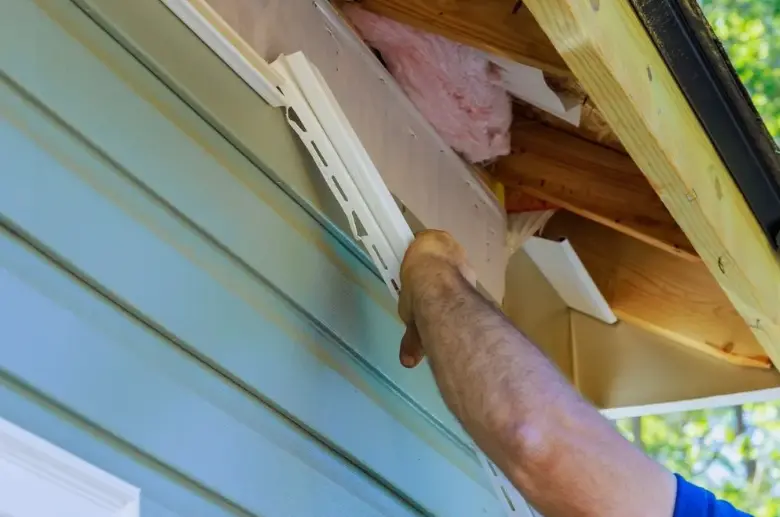
Protect Your Home, Lower Energy Bills, and Improve Comfort with Pyramid Roofing
Many homeowners focus on upgrading insulation, replacing windows, or installing energy-efficient HVAC systems to reduce utility bills. While these improvements certainly help, one of the most overlooked factors affecting your home’s energy efficiency is its siding.
Your siding serves as the first line of defense against changing weather conditions. When it’s damaged, cracked, warped, or improperly sealed, it allows outside air and moisture to penetrate your home’s exterior. As a result, your heating and cooling system has to work harder to maintain comfortable indoor temperatures, leading to higher energy costs throughout the year.
At Pyramid Roofing, we understand that quality siding does much more than improve curb appeal. Properly maintained siding protects your home’s structure, improves insulation performance, increases comfort, and helps reduce monthly energy expenses.
In this guide, we’ll explain how siding repair improves energy efficiency, the warning signs to watch for, and why addressing siding damage early can save you money in the long run.
Why Your Siding Plays a Critical Role in Energy Efficiency
Many people think siding is simply an attractive exterior finish. In reality, it’s an essential part of your home’s protective building envelope.
Your siding works together with several components, including:
- Exterior sheathing
- Weather-resistant barriers
- House wrap
- Insulation
- Vapor barriers
- Roofing system
- Windows and doors
Together, these layers create a protective shell that helps regulate indoor temperatures.
When your siding is properly installed and maintained, it helps:
- Keep heated air inside during winter
- Prevent excessive heat from entering during summer
- Reduce air leaks and drafts
- Protect insulation from moisture
- Improve your home’s overall energy performance
Even small areas of damage can weaken this protective barrier and increase energy loss.
How Damaged Siding Increases Energy Bills
One small crack may not seem like a major issue, but multiple damaged areas across your home’s exterior can significantly affect efficiency.
Common siding problems include:
- Cracked panels
- Loose boards
- Warped siding
- Missing pieces
- Gaps around trim
- Failing caulk
- Storm damage
- Aging materials
These issues create openings where outside air enters and conditioned indoor air escapes.
As this happens:
- Your furnace runs longer during winter.
- Your air conditioner cycles more often during summer.
- Indoor temperatures become inconsistent.
- Utility bills continue to rise.
Many homeowners are surprised to discover that repairing damaged siding can noticeably reduce heating and cooling costs.
Air Leaks: One of the Biggest Sources of Energy Loss
Air leakage is one of the leading causes of wasted energy in residential homes.
When siding develops gaps or separates from the wall, outside air can move freely into wall cavities and living spaces.
This creates:
- Cold drafts near walls
- Hot spots during summer
- Uneven room temperatures
- Increased HVAC workload
Professional siding repair seals these openings, restoring your home’s exterior barrier and helping your HVAC system operate more efficiently.
The result is an easier home and less expensive to keep comfortable year-round.
How Siding Damage Affects Your Home’s Insulation
Your insulation is designed to trap conditioned air inside your home.
However, insulation performs best when it remains dry and protected.
Damaged siding often allows moisture to reach the insulation behind your walls.
Once insulation becomes wet, several problems occur:
- Reduced insulating performance
- Lower thermal resistance (R-value)
- Mold and mildew growth
- Wood rot
- Structural deterioration
- Higher heating and cooling costs
Repairing damaged siding helps prevent moisture intrusion and protects the insulation that keeps your home energy efficient.
Moisture Intrusion Can Create Long-Term Energy Problems
Water is one of the biggest threats to your home’s exterior.
Small siding cracks may allow rainwater to slowly enter wall cavities without obvious warning signs.
Over time, moisture can cause:
- Rotting wall framing
- Damaged sheathing
- Mold growth
- Interior wall staining
- Compromised insulation
- Reduced structural integrity
Beyond repair costs, moisture damage forces your home to lose energy more quickly because wet building materials transfer heat far more easily than dry materials.
Fixing siding damage early helps prevent these costly issues while maintaining your home’s energy performance.
Signs Your Siding May Be Reducing Energy Efficiency
Many homeowners don’t realize their siding is contributing to higher utility bills.
Watch for these common warning signs:
- Higher heating or cooling costs
- Drafts near exterior walls
- Uneven temperatures between rooms
- Warped or buckling siding
- Loose or missing siding panels
- Cracks around windows or doors
- Mold or mildew on exterior walls
- Water stains inside your home
- Peeling interior paint
- Increased HVAC runtime
If you notice several of these signs together, it’s a good idea to have your siding professionally inspected.
Repair vs. Replacement: Which Is the Better Option?
Not every siding problem requires a complete replacement.
Professional inspections can determine whether repairs are sufficient or if replacement provides better long-term value.
Siding repair is often the right choice when:
- Damage is isolated.
- Most siding remains in good condition.
- Storm damage affected only a few sections.
- Minor gaps or cracks are present.
Replacement may be recommended when:
- Damage is widespread.
- Moisture has affected the wall system.
- Siding has reached the end of its lifespan.
- Multiple repairs have already been completed.
- Energy efficiency continues to decline despite previous repairs.
A professional assessment helps determine the most cost-effective solution for your specific home.
Modern Siding Materials Can Improve Energy Performance
If your siding has extensive damage or has reached the end of its lifespan, replacing it with newer, energy-efficient materials may provide even greater long-term benefits.
Today’s siding products are designed not only to enhance curb appeal but also to improve your home’s overall thermal performance. Many options include improved insulation, stronger weather resistance, and better moisture protection than older siding materials.
Some of the most popular choices include:
Vinyl Siding
Vinyl siding remains one of the most popular options for homeowners because it is:
- Affordable
- Low maintenance
- Resistant to moisture and insects
- Available in many colors and styles
Insulated vinyl siding includes a layer of rigid foam insulation that helps reduce heat transfer and improve indoor comfort.
Fiber Cement Siding
Fiber cement siding offers exceptional durability and performs well in a variety of climates.
Benefits include:
- Excellent weather resistance
- Fire resistance
- Long lifespan
- Low maintenance requirements
- Better protection against moisture
When installed correctly, fiber cement siding helps maintain a tighter building envelope that supports better energy efficiency.
Engineered Wood Siding
Engineered wood combines the appearance of natural wood with improved durability.
Homeowners often choose it because it offers:
- Strong insulation performance
- Resistance to warping and moisture
- Attractive appearance
- Long-lasting protection
It can be an excellent option for homeowners looking for both beauty and energy performance.
Understanding Thermal Resistance (R-Value)
When discussing energy efficiency, you’ll often hear the term R-value.
R-value measures how well a building material resists heat flow.
Simply put:
- Higher R-value = Better insulation
- Better insulation = Less heat loss in winter and less heat gain in summer
Although siding itself contributes only part of your home’s total insulation value, damaged siding can significantly reduce the effectiveness of the entire wall system.
Repairing damaged panels, sealing gaps, and replacing compromised sections helps restore your home’s protective exterior and supports better overall thermal performance.
Why Proper Installation Matters Just as Much as the Material
Even the highest-quality siding won’t perform as expected if it’s installed incorrectly.
Poor installation can lead to:
- Air leaks
- Water intrusion
- Loose panels
- Premature wear
- Reduced energy efficiency
Professional installation ensures that every panel, joint, flashing, and seal works together to create a durable, weather-resistant exterior.
Proper installation also helps maximize the lifespan of your siding while reducing future maintenance costs.
Pair Siding Repairs with Other Energy-Efficient Upgrades
One of the biggest advantages of repairing or replacing siding is the opportunity to improve other parts of your home’s exterior at the same time.
Depending on your home’s condition, you may also consider:
- Adding new house wrap or weather barriers
- Upgrading wall insulation
- Replacing old caulking around windows and doors
- Installing energy-efficient windows
- Improving attic ventilation
- Repairing roof flashing where needed
Combining these improvements creates a stronger building envelope that minimizes energy loss and enhances year-round comfort.
How Siding Improves Comfort During Every Season
Energy efficiency isn’t just about lowering utility bills; it also affects how comfortable your home feels every day.
Winter Benefits
During colder months, properly maintained siding helps:
- Keep warm air inside
- Reduce cold drafts
- Protect insulation from moisture
- Lower heating costs
- Maintain consistent indoor temperatures
Summer Benefits
In warmer weather, quality siding helps:
- Block outdoor heat
- Reduce solar heat gain
- Improve air conditioning performance
- Lower cooling costs
- Keep indoor spaces more comfortable
A well-maintained exterior helps your HVAC system operate more efficiently throughout every season.
Can Siding Repairs Increase Home Value?
Absolutely.
Homebuyers often pay close attention to a home’s exterior because it reflects overall maintenance.
Professionally repaired siding can:
- Improve curb appeal
- Increase buyer confidence
- Demonstrate proper home maintenance
- Improve energy efficiency ratings
- Make your property more attractive in competitive markets
Even if you’re not planning to sell immediately, maintaining your siding helps protect one of your home’s largest investments.
Long-Term Savings Beyond Lower Utility Bills
Many homeowners focus only on immediate energy savings.
However, properly maintained siding provides several additional financial benefits over time.
These include:
- Lower heating and cooling expenses
- Fewer moisture-related repairs
- Reduced risk of mold remediation
- Longer HVAC system lifespan
- Less maintenance on exterior walls
- Better protection against structural damage
Addressing small siding problems early often prevents much larger and more expensive repairs later.
Don’t Ignore Small Siding Problems
Minor siding damage rarely stays minor.
A tiny crack today can eventually lead to:
- Water infiltration
- Rotting wood
- Mold growth
- Pest intrusion
- Interior wall damage
- Higher repair costs
Routine inspections and timely repairs help keep your home protected while maintaining its energy efficiency.
The earlier issues are identified, the easier and often less expensive they are to fix.
Common Mistakes That Reduce Your Home’s Energy Efficiency
Many homeowners unknowingly reduce their home’s energy efficiency by delaying siding maintenance or attempting temporary fixes. While these solutions may seem to save money upfront, they often lead to larger and more expensive problems later.
Some of the most common mistakes include:
- Ignoring small cracks or loose siding panels
- Waiting until water damage becomes visible
- Covering damaged areas instead of repairing them
- Choosing the cheapest repair instead of the right repair
- Skipping routine exterior inspections
- Failing to replace damaged caulking around windows and doors
- Hiring inexperienced contractors who don’t properly seal the exterior
Addressing minor siding issues early helps prevent moisture intrusion, air leaks, and structural damage while keeping your home more energy efficient.
Why Professional Siding Repair Is Worth the Investment
While some homeowners attempt DIY siding repairs, professional repairs often provide longer-lasting results and better energy performance.
An experienced contractor can identify hidden issues that may not be visible from the outside, including:
- Moisture trapped behind siding
- Damaged house wrap
- Deteriorated insulation
- Hidden wood rot
- Improper flashing
- Structural movement
Professional repairs also ensure that replacement panels are properly installed, sealed, and matched to your existing siding, helping restore your home’s protective barrier.
At Pyramid Roofing, we focus on quality workmanship and durable repair solutions that help protect your home from the elements while improving energy efficiency.
Frequently Asked Questions
Can damaged siding really increase my energy bills?
Yes. Cracked, warped, or loose siding allows outside air to enter and conditioned indoor air to escape. This forces your heating and cooling system to work harder, increasing monthly utility costs.
Is siding repair enough, or should I replace all my siding?
It depends on the extent of the damage. Minor issues can often be repaired, while widespread deterioration, moisture damage, or aging materials may make replacement the better long-term investment.
Which siding material offers the best energy efficiency?
Insulated vinyl siding, fiber cement siding, and engineered wood siding all provide excellent performance when professionally installed. The best choice depends on your home’s design, climate, budget, and maintenance preferences.
How often should siding be inspected?
Most professionals recommend inspecting your siding at least once a year and after severe storms to identify damage before it becomes a larger problem.
Can siding repair improve indoor comfort?
Absolutely. Repairing damaged siding reduces drafts, improves insulation performance, and helps maintain more consistent indoor temperatures throughout the year.
Will repairing my siding increase my home’s value?
Well-maintained siding improves curb appeal, protects the home’s structure, and enhances energy efficiency, all of which can make your property more attractive to potential buyers.
Final Thoughts
Your home’s siding is much more than an exterior finish; it’s an essential part of your home’s defense against weather, moisture, and energy loss. Even small areas of damage can reduce insulation performance, increase utility bills, and lead to costly structural repairs if left unaddressed.
By repairing siding early and maintaining a well-sealed exterior, you can improve indoor comfort, protect your investment, and enjoy lower heating and cooling costs throughout the year.
Whether your home has minor damage from aging, severe weather, or everyday wear, addressing the problem promptly can help prevent larger repairs in the future.
Protect Your Home with Professional Siding Repair
If you’ve noticed cracked, loose, warped, or damaged siding, the experienced team at Pyramid Roofing is here to help. We provide dependable siding repair services designed to restore your home’s protection, improve energy efficiency, and enhance its appearance.
Contact Pyramid Roofing today to schedule an inspection and learn how professional siding repair can help keep your home comfortable, efficient, and protected for years to come.