
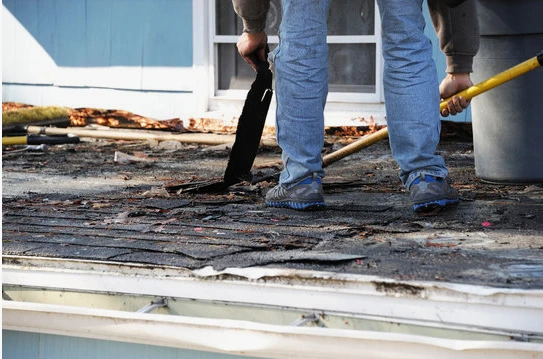
Yes, heavy rain can damage your roof, especially when shingles are missing, flashing is damaged, drainage is blocked, or existing roofing materials have started to deteriorate. Even a roof that looks fine from the ground may have weak spots that allow water to enter during prolonged or intense rainfall.
Heavy rain does not always cause immediate roof damage. Sometimes, it exposes problems that have developed over time. A small opening around a vent, loose shingle, or damaged roof flashing may allow water to reach the roof deck, attic, or ceiling.
Understanding how rain affects your roof can help you recognize early warning signs and decide when to arrange a professional roof inspection. If you are wondering, “Can heavy rain damage my roof?” here are the main causes, warning signs, and steps to take after a storm.
How Can Heavy Rain Damage Your Roof?
Your roof is designed to direct water away from your home, but several problems can interfere with that process. Heavy rainfall can expose weaknesses in roofing materials, roof joints, and drainage systems.
1. Roof Leaks and Water Intrusion
A roof leak is one of the most common signs of water entering a home during heavy rain. Water may pass through damaged shingles, deteriorated flashing, loose roof components, or gaps around roof penetrations.
Once water gets beneath the roofing materials, it may spread along the roof deck or other building components before becoming visible inside. This means the location of a ceiling stain is not always directly beneath the original entry point.
If water enters your home during a storm, look for warning signs such as:
- Water stains on ceilings or upper walls
- Dripping water near light fixtures or ceiling edges
- Damp insulation or wet areas in the attic
- Peeling paint or bubbling drywall
- A musty odor following rainfall
A leak should not be ignored just because the dripping stops when the rain ends. Moisture may remain inside the roof assembly and contribute to further damage if the underlying problem is not addressed.
2. Missing, Loose, or Damaged Roof Shingles
Asphalt shingles help shed water from the roof surface. When shingles become cracked, curled, loose, or missing, rainwater may reach areas that are normally protected.
Heavy rain can reveal problems with shingles that have already been weakened by age, weather exposure, or previous storm damage. Wind-driven rain can also reach vulnerable areas beneath lifted or damaged shingles.
After a storm, warning signs may include:
- Shingles missing from visible roof sections
- Shingles that appear lifted, cracked, or displaced
- Roofing granules accumulating in gutters or downspouts
- Pieces of roofing material found in the yard
- New leaks or ceiling stains after rainfall
Granules in gutters do not automatically mean the roof needs replacement, because some granule loss can occur as shingles age. However, substantial or increasing granule loss, especially alongside other damage, warrants closer inspection.
Do not climb onto a wet roof to check for missing shingles. Roof surfaces can be slippery, and damage may not be safe to inspect without appropriate equipment.
3. Damaged Roof Flashing
Roof flashing is installed around areas where the roof meets another surface or where components pass through the roof. Common locations include chimneys, vents, skylights, roof valleys, and wall intersections.
Flashing helps direct water away from these vulnerable joints. If it becomes loose, corroded, cracked, or improperly sealed, rainwater may enter around the affected area.
Flashing-related leaks can be difficult to identify because the damage may be small or hidden from ground level. You might notice a ceiling stain near a chimney, moisture around a skylight, or water appearing along an interior wall after a period of heavy rain.
If a leak repeatedly develops in the same area during storms, have the roof and its flashing inspected. Applying sealant over a visible gap without identifying the underlying problem may not provide a lasting repair.
4. Clogged Gutters and Poor Roof Drainage
Gutters and downspouts help carry rainwater away from the roof edges and foundation. When leaves, branches, or other debris restrict drainage, water may overflow rather than flow through the intended drainage path.
During heavy rainfall, blocked gutters can contribute to water collecting around roof edges, fascia boards, and soffits. Depending on the roof design and existing conditions, this moisture can contribute to deterioration or enter vulnerable areas.
Signs of a possible drainage problem include:
- Water spilling over the sides of gutters
- Gutters sagging under accumulated debris or water
- Downspouts discharging little or no water during rainfall
- Water stains or deterioration near roof edges
- Water collecting near the home’s foundation
Not every overflowing gutter indicates roof damage, but persistent drainage problems should be addressed. Keep gutters and downspouts clear and arrange repairs if they are loose, damaged, or unable to drain properly.
5. Roof Valleys and Other Vulnerable Areas
Roof valleys are the places where two sloping roof sections meet. They carry water from a relatively large roof area toward the eaves, making proper installation and drainage important.
If valley flashing or roofing materials are damaged, debris blocks the flow of water, or the surrounding shingles deteriorate, heavy rain may expose a leak.
Other vulnerable areas include roof penetrations, skylights, chimneys, and transitions between different roof surfaces. These locations require appropriate flashing and careful installation to manage water effectively.
If leaks appear near one of these areas after rainfall, a professional inspection can help identify whether the problem involves flashing, roofing materials, drainage, or another component.
Warning Signs of Roof Damage After Heavy Rain
Some roof problems are visible from the outside, while others first appear inside the home. Checking for changes after a storm can help you identify a possible issue before it becomes more extensive.
Signs Inside Your Home
Look for changes in ceilings, walls, and attic spaces after heavy rainfall. Common warning signs include:
- Ceiling discoloration: Brown or yellow stains may indicate water intrusion.
- Damp drywall: Soft, swollen, or bubbling surfaces can suggest moisture exposure.
- Dripping water: Active dripping during or after rain requires prompt attention.
- Musty odors: Persistent odors may indicate moisture in hidden building materials.
- Wet attic insulation: Damp insulation can signal a roof leak or another source of moisture.
- Peeling paint: Paint that separates from a wall or ceiling may be reacting to moisture.
If water is dripping near electrical fixtures or outlets, avoid touching the wet area or nearby electrical equipment. Keep people away and seek qualified help. If it is safe to do so, arrange for the affected electrical circuit to be turned off by someone qualified to do so.
Signs Visible From the Ground
You can also look for changes around your property without climbing onto the roof. Check for missing shingles, debris that may have come from the roof, sagging gutters, damaged fascia, or water overflowing from drainage systems.
These observations cannot confirm the full extent of roof damage, but they can help you decide whether an inspection is needed.
Remember that some leaks remain hidden until water has traveled through the roof structure or insulation. The absence of visible damage does not guarantee that the roof is free from problems.
What Should You Do If Heavy Rain Causes a Roof Leak?
If you notice water entering your home during or after a storm, prioritize safety and limiting interior damage.
Step 1: Keep People Away From the Affected Area
If a ceiling is bulging, sagging, or holding water, stay away from it. A water-damaged ceiling may become unstable and collapse. Do not puncture a bulging ceiling or attempt to inspect a wet roof during a storm.
Step 2: Protect Belongings if It Is Safe
Move furniture, electronics, and other belongings away from the affected area if you can do so safely. Use a container to catch minor drips only when the surrounding ceiling and floor are safe to approach.
Do not touch wet electrical equipment or stand in water near electrical devices.
Step 3: Document the Damage
Take photos or videos of visible water stains, damaged belongings, and active leaks when it is safe. Keep records of when the leak occurred and whether it followed heavy rainfall.
This documentation may help when discussing repairs with a roofing contractor or communicating with your insurance company.
Step 4: Arrange a Professional Roof Inspection
Contact a roofing professional to investigate the source of the leak and assess the affected areas. The inspection may include roofing materials, flashing, roof penetrations, drainage, and accessible attic areas, depending on the conditions.
If water is entering actively, do not wait for another storm to determine whether the problem continues. Prompt assessment can help identify necessary repairs and reduce the risk of additional moisture damage.
Can Heavy Rain Damage a Roof That Is Relatively New?
Yes. A relatively new roof can still develop problems during heavy rain, although the risk depends on its condition, installation, materials, and exposure to severe weather.
Potential causes include improperly installed or damaged flashing, loose roofing components, defects around roof penetrations, or damage from wind-blown debris. Intense rainfall may reveal an issue that was not apparent during normal weather.
A new roof is not automatically damaged simply because a leak appears after a storm. The source should be investigated to determine whether the problem involves installation, a roofing component, storm damage, or another part of the building.
If your roof is still covered by a workmanship or manufacturer warranty, review its terms and contact the appropriate provider. Coverage depends on the specific warranty and circumstances.
Does Heavy Rain Mean You Need Roof Repair or Replacement?
Not necessarily. Heavy rain can reveal a minor repair issue, but it can also expose more extensive damage. The right solution depends on the roof’s overall condition and the location and severity of the problem.
Roof repair may be appropriate when:
- Damage is limited to a specific section.
- A small number of shingles are damaged or missing.
- Flashing needs repair or replacement.
- A localized leak has an identifiable cause.
Roof replacement may be worth evaluating when:
- Roofing materials have widespread deterioration.
- Several roof areas show recurring problems.
- Repeated repairs are no longer addressing the underlying issues.
- An inspection identifies extensive damage or significant wear.
These are general considerations, not a substitute for an inspection. A leak by itself does not automatically mean the entire roof needs replacement. A qualified roofing professional can assess the roof and explain the available options.
When Should You Schedule a Roof Inspection?
Arrange a roof inspection if you notice a new leak, missing or displaced shingles, damaged flashing, recurring ceiling stains, or other signs of possible roof damage after heavy rain.
An inspection is also worth considering if your roof is aging, you have experienced repeated leaks, or a severe storm may have affected your property even though the damage is not obvious from the ground.
You should seek prompt attention when water is actively entering the home, the ceiling is sagging, or damage appears extensive. Do not wait for visible interior damage if you have a clear reason to suspect a roof problem.
A professional roof inspection can help identify the source of water intrusion, assess the affected components, and determine whether repairs or further evaluation are needed.
How Can You Reduce the Risk of Rain-Related Roof Damage?
Although no roof can be guaranteed to remain free from damage during every storm, regular maintenance can help identify common vulnerabilities.
Consider these practical steps:
- Maintain gutters and downspouts: Remove debris and address drainage problems before periods of heavy rain.
- Check for visible shingle damage: Look for missing or displaced shingles from a safe location on the ground.
- Maintain roof flashing: Arrange repairs when flashing around chimneys, skylights, vents, or roof joints appears damaged.
- Address small leaks promptly: Do not assume a leak has been resolved simply because it stops raining.
- Schedule inspections when needed: Have a professional assess the roof after significant damage or when signs of deterioration appear.
- Keep nearby trees maintained: Overhanging or damaged branches can strike roofing materials during severe weather.
Maintenance does not eliminate every risk, but addressing visible concerns early may help prevent minor issues from developing into more extensive water damage.
Roof Inspection and Repair in Wylie, TX
Heavy rain can expose roof leaks, damaged shingles, flashing problems, and drainage issues that may otherwise go unnoticed. Recognizing the warning signs and arranging an inspection when needed can help you understand the condition of your roof and determine the next steps.
Pyramid Roofing provides roofing services for residential and commercial properties. If you have noticed a roof leak or suspect storm-related damage, contact Pyramid Roofing to discuss your concerns and arrange an assessment of your roofing needs in Wylie, TX, and the surrounding service area.
Do not climb onto a wet or damaged roof to investigate a leak yourself. A professional assessment is a safer way to identify the source of the problem and determine the appropriate repair.
Frequently Asked Questions
Can heavy rain cause a roof to leak without missing shingles?
Yes. A roof can leak even when all shingles appear to be in place. Damaged flashing, gaps around roof penetrations, deteriorated roofing materials, and drainage problems can allow water to enter.
How do I know if my roof is damaged after a storm?
Look for ceiling stains, damp attic insulation, dripping water, missing shingles, damaged flashing, and overflowing or sagging gutters. Some damage may not be visible from the ground, so arrange an inspection if you suspect a problem.
Should I repair my roof immediately after heavy rain?
If water is actively entering your home or you see signs of significant damage, seek professional assistance promptly. Avoid climbing onto the roof while it is wet or during unsafe weather conditions.
Can a roof leak cause damage inside my home?
Yes. Water intrusion can damage ceilings, walls, insulation, and other building materials. Persistent moisture can also contribute to mold growth, so the source of a leak should be identified and addressed.
How often should I have my roof inspected?
Inspection needs depend on the roof’s age, condition, weather exposure, and maintenance history. Arrange an inspection when you notice signs of damage and after significant weather events if you suspect the roof has been affected.
Will homeowners insurance cover roof damage caused by heavy rain?
Coverage depends on your policy, the cause of the damage, exclusions, and the circumstances of the loss. Review your policy and contact your insurance provider to understand whether the damage may be covered.