
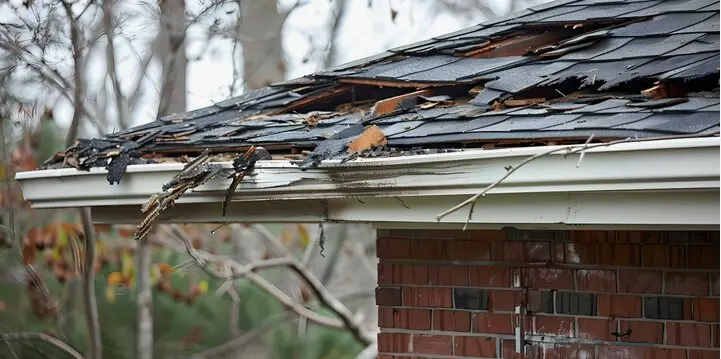
Yes, heavy rain can damage an asphalt shingle roof, especially when the roof is older, already has damaged shingles, or has drainage problems. While asphalt shingles are designed to protect a home from normal rainfall, prolonged or intense rain can expose existing weaknesses and lead to leaks, water damage, and other roofing problems.
Heavy rain does not always cause obvious damage. In some cases, water can enter through a small gap, damaged flashing, a loose shingle, or a worn seal and slowly make its way into the roof system. Knowing what to look for after a major rainstorm can help homeowners address problems before they become more expensive.
How Does Heavy Rain Affect an Asphalt Shingle Roof?
Asphalt shingles are designed to shed water toward the roof’s drainage system. However, heavy rainfall can put additional stress on already weakened areas.
Water may enter through:
- Cracked, curled, or missing shingles
- Damaged or deteriorated flashing
- Loose roofing materials
- Exposed nail heads
- Damaged pipe vents
- Worn areas around chimneys and skylights
- Clogged or overflowing gutters
- Low areas where water does not drain properly
If these problems exist before a storm, heavy rain can worsen them or let water reach the roof deck beneath the shingles.
Can Heavy Rain Cause a Roof Leak?
Yes. Heavy rain can cause or reveal a roof leak, but the rain itself is not necessarily the underlying problem.
A roof may remain watertight during light rain but begin leaking during a heavy storm because a larger amount of water is moving across the roof. Strong rainfall can also expose weaknesses around flashing, roof penetrations, valleys, and other areas where different materials meet.
Water that enters the roofing system may travel along the underside of the roof deck before reaching the ceiling. This means the location of a ceiling stain may not be directly below the point where water entered the roof.
Signs of Roof Damage After Heavy Rain
After a major storm, homeowners should watch for signs that water has entered the roofing system or attic.
1. Water Stains on Ceilings or Walls
Brown, yellow, or discolored areas on a ceiling or wall can indicate water intrusion. A stain may appear after a storm even if there is no active dripping.
2. Damp or Wet Attic Insulation
If your attic is accessible, check for damp insulation, wet roof decking, or signs of moisture after heavy rain. These can indicate that water is getting through the roof.
3. Missing or Damaged Shingles
High winds that accompany heavy rain can loosen or remove shingles. Cracked, lifted, curled, or missing shingles can create openings where water can enter.
4. Water Around Roof Penetrations
Areas around vents, chimneys, skylights, and other roof penetrations are common locations for leaks. Damaged flashing or deteriorated seals in these areas can allow water inside.
5. Overflowing Gutters
Heavy rain can quickly overwhelm gutters that are clogged with leaves or debris. Water may spill over the sides and collect near the roof edge or foundation.
6. Granules in Gutters
Finding a small amount of shingle granules in gutters can be normal, especially on a newer roof. However, a significant buildup may indicate that the shingles are wearing down and losing their protective surface.
Can Heavy Rain Damage an Older Asphalt Shingle Roof More Easily?
An older roof may be more vulnerable to problems during heavy rain because roofing materials naturally wear over time.
Asphalt shingles can become brittle, lose granules, crack, curl, or lose some of their ability to seal. Flashing and other roofing components can also deteriorate.
This does not mean every older roof needs to be replaced. The condition of the shingles, roof deck, flashing, ventilation, drainage, and other components should be considered when determining whether repair or replacement is appropriate.
Can Gutters Cause Roof Problems During Heavy Rain?
Yes. Gutters play an important role in directing rainwater away from the roof and home.
When gutters or downspouts are clogged, water may back up or overflow during heavy rainfall. This can contribute to water getting behind fascia or siding and may increase the risk of moisture-related problems around the roof edge.
Keeping gutters and downspouts clear can help rainwater move away from the roof efficiently.
What Should You Do After Heavy Rain?
If your area experiences heavy rainfall, take a few simple steps once conditions are safe:
- Check the ceilings and upper walls for new stains or signs of moisture.
- Look at the attic for damp insulation, wet decking, or dripping water if it is safe to do so.
- Inspect the visible roof area from the ground for missing or damaged shingles.
- Check gutters and downspouts for blockages or excessive granules.
- Do not climb onto a wet roof. Wet roofing surfaces can be extremely slippery.
- Arrange a professional roof inspection if you notice signs of a leak or storm damage.
A professional inspection can help identify the source of a problem and determine whether the roof needs a repair or more extensive work.
Does Heavy Rain Mean You Need a New Roof?
Not necessarily.
A roof that develops a leak after heavy rain may only need a localized repair. For example, the problem could be a damaged shingle, a flashing issue, or a problem around a roof penetration.
However, if the roof has widespread deterioration, repeated leaks, extensive storm damage, or is approaching the end of its expected service life, replacement may be worth considering.
The best option depends on the roof’s overall condition rather than the fact that it leaked during one storm.
How Can You Protect an Asphalt Shingle Roof From Heavy Rain?
Regular maintenance can help reduce the risk of water-related roofing problems.
Homeowners should:
- Keep gutters and downspouts clear
- Have the roof inspected periodically
- Replace damaged or missing shingles
- Address flashing problems promptly
- Keep tree branches from rubbing against the roof
- Check attic ventilation and moisture conditions
- Inspect the roof after significant storms
- Address small leaks before they cause additional damage
Preventive maintenance is particularly important for roofs that have already experienced storm damage or are several years into their service life.
When Should You Call a Roofing Professional?
Consider scheduling a professional inspection if you notice water stains, active leaks, damaged shingles, missing roofing materials, or other signs of storm-related damage.
It is also a good idea to have the roof checked after a severe storm if you suspect damage but cannot safely inspect the roof yourself. A roofing professional can evaluate the shingles, flashing, drainage system, and other components to identify potential problems.
Final Thoughts
Heavy rain can damage an asphalt shingle roof or reveal problems that were already developing. Leaks, damaged shingles, deteriorated flashing, clogged gutters, and worn roofing materials can all contribute to water intrusion during a major storm.
If you notice signs of roof damage after heavy rain, don’t ignore them. Finding and addressing a roofing problem early can help prevent moisture from spreading into the attic, insulation, ceilings, walls, or other parts of the home.
Pyramid Roofing can help homeowners evaluate roofing concerns and determine what type of service may be appropriate when storm or water damage is suspected.