
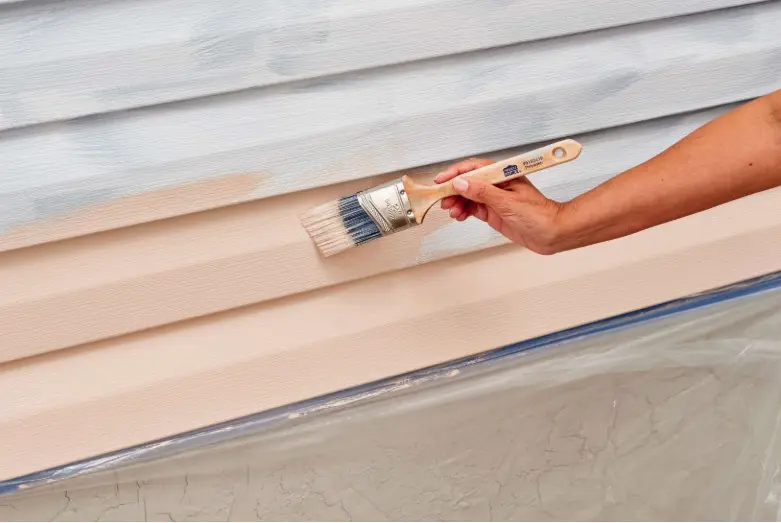
Protect Your Home with Timely Siding Repair
Vinyl siding is one of the most popular exterior materials for homes because it’s durable, affordable, and low-maintenance. It protects your home from rain, wind, moisture, and changing weather while improving curb appeal. However, even high-quality vinyl siding can become damaged over time due to storms, hail, strong winds, accidental impacts, or normal aging.
Ignoring damaged siding can lead to much bigger problems. Small cracks or holes may allow water to seep behind the panels, causing moisture damage, mold growth, wood rot, and even structural issues. Repairing the damage early helps protect your home and prevents more expensive repairs in the future.
Whether you’re dealing with a small crack, loose siding panel, or larger damaged section, understanding the repair process helps you decide whether it’s a simple DIY project or time to call a professional. In this guide, we’ll explain how to repair vinyl siding, what tools you’ll need, common mistakes to avoid, and when replacing damaged siding is the better option.
What Causes Vinyl Siding Damage?
Vinyl siding is designed to withstand harsh weather, but several factors can still cause damage over time.
Storm and Wind Damage
Strong winds can loosen siding panels, break fasteners, or even pull sections away from your home. Flying debris during storms can also create cracks and holes.
Hail Damage
Large hailstones can dent, crack, or puncture vinyl siding. While some damage is obvious, smaller cracks may not be visible until moisture problems begin to develop.
Impact Damage
Ladders, lawn equipment, baseballs, bicycles, and other hard objects can accidentally strike the siding and create holes or cracks.
Sun Exposure
Years of direct sunlight can make vinyl siding brittle. As the material ages, it becomes more likely to crack or warp during temperature changes.
Moisture Problems
Improper drainage or water trapped behind the siding can weaken the structure underneath and eventually cause siding panels to shift or become damaged.
Signs Your Vinyl Siding Needs Repair
Not all siding damage is immediately obvious. Regular inspections help identify problems before they become costly.
Look for signs such as:
- Cracks or holes in the siding
- Loose or missing panels
- Warped or buckled siding
- Fading or discoloration
- Moisture stains on interior walls
- Mold or mildew near the siding
- Increased energy bills caused by poor insulation
If you notice any of these issues, repairing the siding promptly can help prevent additional damage to your home’s exterior.
Tools and Materials You’ll Need
The tools required depend on the type of repair, but most siding repair projects use common hand tools.
Typical materials include:
- Vinyl siding replacement panel (if needed)
- Utility knife
- Zip tool (siding removal tool)
- Hammer
- Galvanized nails
- Tape measure
- Caulk designed for exterior use
- Putty knife
- Sandpaper
- Safety gloves
- Safety glasses
- Ladder
For larger repairs, additional materials such as construction adhesive or replacement trim pieces may also be necessary.
How to Repair Vinyl Siding
The best repair method depends on the type and severity of the damage. Small holes can often be patched, while severely damaged panels usually need to be replaced.
Repairing Small Holes in Vinyl Siding
Small holes caused by nails, screws, or minor impacts are usually easy to repair.
Begin by cleaning the damaged area to remove dirt, dust, and loose debris. A clean surface allows the repair material to bond properly.
Next, lightly smooth any rough edges around the hole using fine-grit sandpaper. This helps create an even surface for the repair.
Apply an exterior-grade vinyl patch or flexible filler according to the manufacturer’s instructions. Fill the hole completely while slightly overfilling the damaged area.
Once the filler has cured, gently sand the repair until it blends smoothly with the surrounding siding. If necessary, apply paint designed specifically for vinyl siding to improve the appearance and help the repair blend with the existing color.
Small repairs completed correctly can restore the siding’s appearance while preventing moisture from entering behind the panels.
Repairing Larger Holes
Larger holes require a stronger repair because simple filler alone may not provide enough support. In many cases, replacing the damaged section produces the best long-term results.
If replacement isn’t immediately possible, install a backing material behind the damaged area before applying exterior filler. Once the repair has cured, sand the surface smooth and finish it with paint that matches the existing siding.
For extensive damage, replacing the entire panel is usually the most reliable solution.
Repairing Cracked Vinyl Siding
Cracks are one of the most common types of vinyl siding damage. They often occur after hailstorms, flying debris, extreme temperature changes, or years of sun exposure. Even a small crack can allow water to penetrate behind the siding, leading to moisture damage and mold growth if left unrepaired.
For minor cracks, start by cleaning the damaged area with mild soap and water, then allow it to dry completely. Apply a high-quality exterior vinyl repair sealant or flexible filler directly into the crack using a putty knife. Smooth the surface so it blends with the surrounding siding, then allow it to cure according to the manufacturer’s instructions. Once dry, lightly sand the area if needed and touch it up with paint formulated for vinyl siding.
If the crack is long, wide, or continues to expand, replacing the damaged panel is usually a better long-term solution than patching it.
How to Fix Loose Vinyl Siding
Loose siding is often caused by strong winds, improper installation, or aging fasteners. While it may seem like a minor issue, loose panels can allow moisture to enter behind the siding and may eventually detach during severe weather.
Begin by inspecting the affected panel and the surrounding sections to identify where the siding has become disconnected. Using a siding zip tool, carefully unlock the loose panel from the one below it.
Check the fastening nails to ensure they are secure but not driven too tightly. Vinyl siding needs a small amount of room to expand and contract with changing temperatures. Nails should be centered in the nailing slots and left slightly loose to allow for movement.
After making any necessary adjustments, reconnect the panel by locking it back into place with the zip tool. Finally, inspect nearby panels to ensure the entire section is properly secured.
How to Replace a Damaged Vinyl Siding Panel
When a siding panel has severe cracks, large holes, or extensive storm damage, replacement is often the best option.
Start by unlocking the damaged panel using a siding removal tool. Carefully remove the nails holding it in place, taking care not to damage the surrounding siding.
Measure the damaged section and, if necessary, cut a new replacement panel to the correct size. Position the new panel in place, then secure it using galvanized roofing nails. Avoid driving the nails tightly against the siding, as this can restrict movement and lead to future warping.
Once the replacement panel is fastened, lock it into the panel below using the zip tool. Check that all seams are properly aligned and that the new section blends smoothly with the surrounding siding.
Replacing damaged panels not only restores your home’s appearance but also helps maintain weather protection and energy efficiency.
Common Siding Repair Mistakes to Avoid
While homeowners can complete many small siding repairs, certain mistakes can reduce the effectiveness of the repair or create additional problems.
One of the most common mistakes is ignoring minor damage. Small cracks and holes often seem harmless but can quickly allow moisture behind the siding, leading to rot and mold.
Another frequent mistake is fastening replacement panels too tightly. Vinyl siding naturally expands and contracts with temperature changes, so restricting movement may cause buckling or warping.
Using the wrong repair materials can also shorten the life of the repair. Always choose products specifically designed for exterior vinyl siding and avoid generic fillers or adhesives that may crack over time.
Some homeowners also overlook the importance of matching replacement siding. Even if the color appears similar, differences in texture or profile can make repairs highly visible. Whenever possible, use siding that matches the existing manufacturer and style.
Finally, never ignore hidden moisture problems. If water has been entering behind the siding for an extended period, repairing only the visible damage may not solve the underlying issue. A professional inspection can identify hidden structural damage before repairs are completed.
Professional Tips for Long-Lasting Siding Repair
Whether you’re repairing a small section or replacing an entire panel, following a few best practices can improve the results and extend the life of your siding.
Inspect your home’s exterior regularly, especially after severe storms or high winds. Early detection makes repairs easier and less expensive.
Keep gutters and downspouts clean so rainwater drains away from your siding instead of collecting around the walls.
Trim tree branches that hang close to your home to reduce the risk of impact damage during storms.
Wash vinyl siding periodically to remove dirt, mold, and mildew that can affect both appearance and long-term performance.
If you notice widespread cracking, repeated repairs, or signs of moisture behind the siding, consult a professional siding contractor. Addressing the root cause of the problem will help protect your home and prevent future damage.
DIY vs. Professional Siding Repair
Many homeowners can successfully repair small siding problems, such as filling minor holes or reconnecting a loose panel. These repairs require basic tools and can help prevent moisture from entering behind the siding.
However, larger repairs often require professional expertise. If multiple panels are damaged, moisture has penetrated behind the siding, or the damage resulted from severe weather, hiring an experienced siding contractor is the safest option. Professionals can identify hidden structural issues, ensure proper installation, and complete repairs that protect your home for years to come.
If you’re unsure whether the damage is cosmetic or structural, scheduling a professional inspection can help you avoid costly repairs later.
When Should You Repair or Replace Vinyl Siding?
Not every damaged siding panel needs to be replaced. In many cases, timely repairs can restore your home’s appearance and protect it from further damage.
Repair Your Vinyl Siding If:
- The damage is limited to a small hole or crack.
- One or two panels are loose.
- The siding is still structurally sound.
- There are no signs of water damage behind the panels.
- The siding is relatively new and matches existing materials.
Replace Your Vinyl Siding If:
- Multiple panels are cracked, warped, or broken.
- Storm or hail damage affects large sections of the exterior.
- Moisture has caused wood rot or mold behind the siding.
- The siding has become brittle due to age.
- Repairs are becoming frequent and costly.
Replacing severely damaged siding not only improves your home’s appearance but also restores its weather resistance, insulation, and long-term value.
Tips to Keep Your Vinyl Siding in Good Condition
Regular maintenance helps extend the life of your siding and reduces the need for major repairs.
Inspect your siding at least twice a year and after severe storms. Look for loose panels, cracks, holes, or signs of moisture damage.
Clean your siding annually using a garden hose or a soft brush with mild detergent to remove dirt, mildew, and debris. Avoid using excessive pressure that could damage the panels.
Keep gutters and downspouts clean so rainwater flows away from your home’s exterior instead of collecting around the siding.
Trim nearby trees and shrubs to prevent branches from scratching or damaging the siding during high winds.
Finally, repair minor damage as soon as you notice it. Small repairs are usually less expensive and help prevent larger structural problems.
Why Choose Pyramid Roofing for Siding Repair?
At Pyramid Roofing, we understand that your siding is more than just an attractive exterior—it’s your home’s first line of defense against the elements. Our experienced team provides reliable siding repair services that restore your home’s protection, appearance, and value.
Whether your vinyl siding has been damaged by storms, hail, wind, moisture, or everyday wear, we carefully inspect the affected area and recommend the most effective solution. From repairing cracks and replacing damaged panels to addressing hidden moisture issues, we focus on quality workmanship and long-lasting results.
Customer satisfaction, honest recommendations, and dependable service are at the heart of everything we do. Our goal is to help homeowners protect their investment with professional siding solutions they can trust.
Frequently Asked Questions
Can vinyl siding be repaired without replacing the entire panel?
Yes. Small holes, minor cracks, and loose panels can often be repaired using exterior-grade patching materials or by reconnecting the siding. However, extensive damage usually requires panel replacement.
How much does siding repair cost?
The cost depends on the extent of the damage, the number of panels that need repair or replacement, labor, and material availability. A professional inspection provides the most accurate estimate.
Can cracked vinyl siding cause water damage?
Yes. Even small cracks can allow moisture to enter behind the siding, potentially leading to mold, wood rot, and structural damage if repairs are delayed.
How long does vinyl siding last?
High-quality vinyl siding typically lasts 20 to 40 years or longer with proper installation and routine maintenance.
When should I call a professional siding contractor?
You should contact a professional if you notice widespread damage, repeated siding failures, moisture behind the panels, storm damage, or if you’re unsure about the extent of the problem.
Conclusion
Knowing how to repair vinyl siding can help you address minor damage before it becomes a major problem. Small cracks, loose panels, and minor holes are often repairable, while larger areas of damage may require panel replacement or professional attention. Regular inspections and routine maintenance also play an important role in extending the life of your siding and protecting your home from moisture and weather-related damage.
If your siding has been damaged by storms, hail, impact, or normal wear, Pyramid Roofing is here to help. Our experienced team provides professional siding repair services, thorough inspections, and long-lasting solutions designed to keep your home protected year-round.
Contact Pyramid Roofing today to schedule a siding inspection and learn how our expert siding repair services can restore the beauty, durability, and protection of your home’s exterior.