
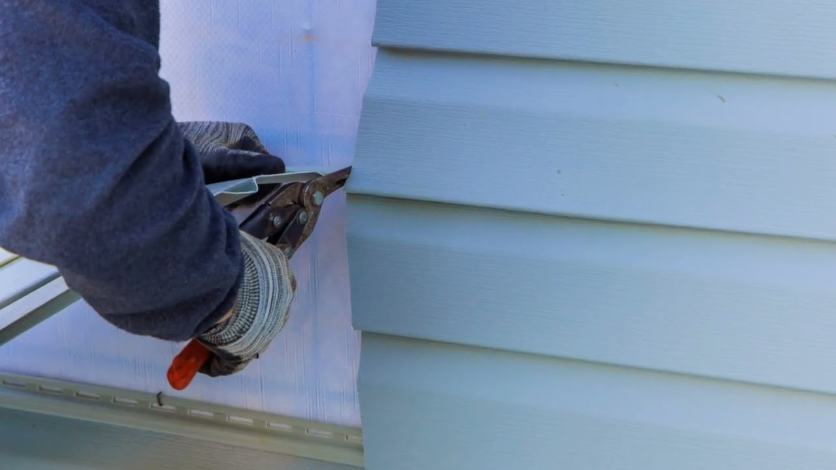
Small siding cracks may seem like minor cosmetic issues, but they can quickly become serious structural problems if ignored. Exterior siding acts as a protective barrier against moisture, wind, pests, and changing weather conditions. Even small openings can allow water to penetrate behind the siding, leading to mold growth, wood rot, insulation damage, and weakened structural components over time.
For homeowners, understanding the risks associated with damaged siding is essential for preventing costly repairs and protecting long-term property value. With professional inspections and siding repair solutions from Pyramid Roofing, homeowners can identify early warning signs and prevent small siding issues from developing into major structural damage.
What Is Exterior Siding?
Exterior siding is the protective material installed on the outside walls of a home to shield the structure from weather, moisture, pests, and temperature changes.
Common siding materials include:
- Vinyl siding
- Fiber cement siding
- Wood siding
- Engineered wood siding
- Metal siding
Siding not only improves curb appeal but also plays a major role in protecting a home’s structural integrity.
Can Small Siding Cracks Really Cause Structural Damage?
Yes. Even small siding cracks can eventually lead to significant structural issues if moisture repeatedly enters behind the siding.
Water intrusion can affect:
- Wall sheathing
- Wooden framing
- Insulation materials
- Interior drywall
- Foundation areas near exterior walls
The longer cracks remain untreated, the higher the risk of hidden structural deterioration.
How Small Siding Cracks Become Bigger Problems
Moisture Intrusion Behind Walls
Cracks allow rainwater and humidity to seep behind the siding system. Moisture trapped inside walls creates the perfect environment for rot and mold growth.
Over time, this weakens wood framing and damages insulation.
Mold and Mildew Growth
Persistent moisture behind siding often leads to mold and mildew buildup. Mold can spread quickly through wall cavities and negatively affect indoor air quality.
Signs of hidden mold may include:
- Musty odors
- Interior wall stains
- Increased allergy symptoms
- Peeling paint or bubbling drywall
Wood Rot and Structural Weakness
If moisture reaches wooden framing components, rot can begin developing beneath the surface.
Wood rot weakens:
- Wall studs
- Exterior sheathing
- Structural supports
- Window and door frames
Eventually, this can compromise the structural stability of portions of the home.
Pest and Insect Infestation
Small siding gaps can also create entry points for insects and pests such as:
- Termites
- Ants
- Rodents
- Wasps
These infestations may further damage insulation and wood structures.
Increased Energy Loss
Damaged siding reduces your home’s insulation efficiency. Air leaks through cracks can increase heating and cooling costs by allowing conditioned air to escape.
This decreases overall energy efficiency and indoor comfort.
Common Causes of Siding Cracks
Weather and Temperature Changes
Extreme heat, cold, storms, and moisture expansion can cause siding materials to crack over time.
Impact Damage
Hail, fallen branches, lawn equipment, or accidental impacts may create visible siding cracks.
Aging Materials
Older siding naturally becomes weaker and more brittle as materials age and deteriorate.
Poor Installation
Incorrect siding installation can lead to shifting, warping, and cracking prematurely.
Warning Signs That Siding Damage Is Becoming Serious
Homeowners should watch for:
- Cracks spreading across panels
- Warped or loose siding
- Water stains inside walls
- Mold or mildew growth
- Increased energy bills
- Soft or rotting exterior wood
These signs often indicate deeper structural concerns behind the siding.
How Professional Siding Repair Helps Prevent Structural Damage
Professional siding repair addresses both visible and hidden problems before they escalate.
Experienced contractors:
- Identify moisture intrusion areas
- Replace damaged siding panels
- Repair underlying structural damage
- Improve waterproof protection
- Restore insulation efficiency
Companies like Pyramid Roofing help homeowners protect their homes with accurate inspections and long-lasting siding repair solutions.
Siding Repair vs Siding Replacement
Minor cracks and localized damage can often be repaired. However, widespread deterioration or moisture damage may require partial or full siding replacement.
Factors influencing the decision include:
- Age of siding
- Extent of damage
- Presence of mold or rot
- Energy efficiency concerns
A professional inspection helps determine the best long-term solution.
How to Prevent Siding Cracks and Future Damage
Perform Regular Inspections
Check siding regularly for:
- Cracks
- Gaps
- Loose panels
- Moisture stains
Keep Gutters Clean
Proper drainage helps prevent water buildup around siding and foundation areas.
Repair Small Damage Quickly
Addressing minor siding issues early prevents larger structural repairs later.
Schedule Professional Maintenance
Annual siding inspections help identify hidden issues before they become expensive problems.
Why Early Siding Repairs Save Money
Small repairs are significantly less expensive than major structural restoration projects. Fixing cracks early helps homeowners avoid:
- Mold remediation costs
- Structural framing repairs
- Interior wall damage
- Energy loss expenses
Preventative maintenance protects both property value and long-term durability.
FAQ
1. Can small siding cracks cause water damage?
Yes. Even small cracks can allow moisture behind the siding, leading to water damage and mold growth.
2. How do I know if siding damage is serious?
Signs include mold, warped panels, interior stains, soft wood, and rising energy bills.
3. Should cracked siding be repaired immediately?
Yes. Early repairs help prevent larger structural and moisture-related issues.
4. Can damaged siding increase energy costs?
Yes. Cracks and gaps reduce insulation efficiency and allow air leaks.
5. Is siding repair better than replacement?
Minor damage can often be repaired, while widespread deterioration may require replacement.
Conclusion
Small siding cracks should never be ignored. What appears to be a minor cosmetic issue can eventually lead to moisture intrusion, mold growth, wood rot, and expensive structural damage if left untreated.
By identifying siding problems early and working with experienced professionals like Pyramid Roofing, homeowners can protect their homes, improve energy efficiency, and avoid costly long-term repairs. Proper siding maintenance and timely repairs are essential for preserving both structural integrity and property value.