
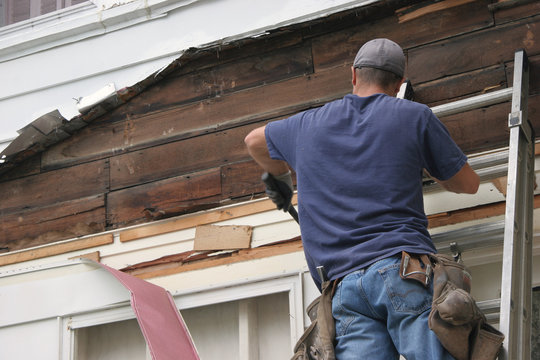
Your home’s siding does far more than enhance curb appeal. It acts as a critical protective barrier between your house and the elements. Over time, constant exposure to weather conditions such as sun, rain, wind, hail, and freezing temperatures can weaken siding materials and lead to costly damage if left unaddressed.
Understanding how weather affects siding—and knowing how to repair the damage early—can help homeowners protect their investment, avoid structural problems, and extend the life of their exterior. Trusted professionals like Pyramid Roofing regularly help homeowners identify and repair weather-related siding issues before they escalate.
Why Weather Is One of the Biggest Threats to Your Siding
Siding is designed to endure outdoor conditions, but continuous exposure to harsh or extreme weather gradually wears it down. Temperature fluctuations, moisture infiltration, and physical impact can compromise both the appearance and performance of siding.
Once siding is damaged, it can allow water, air, and pests to penetrate your home’s exterior, leading to insulation loss, mold growth, and even structural deterioration.
How Different Weather Conditions Damage Siding
Sun and UV Exposure
Prolonged sunlight exposure causes siding materials to break down over time. UV rays fade color, weaken surfaces, and make materials brittle, especially vinyl and painted siding. As siding loses flexibility, it becomes more prone to cracking and warping.
While fading may seem cosmetic at first, UV damage can shorten the overall lifespan of siding if not addressed.
Heavy Rain and Moisture Intrusion
Rain is one of the most damaging elements for siding. Water can enter through small cracks, loose panels, or failed seals. Once moisture gets behind the siding, it can lead to mold, mildew, wood rot, and deterioration of the wall structure beneath.
Moisture-related damage is especially dangerous because it often remains hidden until it becomes severe.
Wind and Storm Damage
Strong winds place constant stress on siding panels. Over time, wind can loosen fasteners, shift panels out of alignment, or tear sections away completely. Flying debris during storms can also crack, dent, or puncture siding.
Wind damage often worsens during repeated storms if repairs are delayed.
Hail Impact
Hailstorms can cause immediate and visible siding damage. Depending on the size and speed of the hail, siding may suffer dents, fractures, or deep cracks. Even small hail impacts can weaken siding materials, making them more susceptible to future weather damage.
Snow, Ice, and Freezing Temperatures
In colder climates, freeze-thaw cycles are particularly destructive. Moisture that enters tiny cracks expands when frozen, causing siding to split or separate. Ice buildup can force panels away from the wall, creating gaps that invite further moisture intrusion.
Common Signs of Weather-Damaged Siding
Homeowners should watch for signs such as loose or missing panels, cracking or warping, discoloration, mold growth, peeling paint, or unexplained increases in energy bills. These indicators often signal deeper problems behind the siding surface.
How Weather Damage Affects Different Siding Materials
| Siding Material | Common Weather Damage | Repair Considerations |
| Vinyl | Cracking, fading, hail dents | Damaged panels usually replaced |
| Wood | Rot, swelling, mold | Requires moisture control |
| Fiber Cement | Cracking from freezing | Durable but needs skilled repair |
| Aluminum | Dents from hail and debris | Mostly cosmetic but permanent |
How to Repair Weather-Damaged Siding
Inspect and Assess the Damage
The first step is identifying whether the damage is cosmetic or structural. Minor surface issues may only require panel replacement, while moisture damage may involve repairs beneath the siding.
Repair or Replace Affected Sections
Replacing only damaged sections is often the most cost-effective approach. Proper matching, sealing, and fastening are essential for durability and appearance.
Seal and Protect Against Future Damage
Quality repairs include sealing joints, correcting flashing, and improving drainage to prevent future moisture intrusion and weather-related failures.
DIY Repairs vs. Professional Siding Repair
While small fixes may seem manageable, improper repairs can trap moisture, worsen structural damage, and void warranties. Professional siding repair ensures long-term protection and compliance with building standards.
This is where experienced contractors like Pyramid Roofing play a key role by identifying hidden damage and applying correct repair techniques.
How to Prevent Weather Damage to Your Siding
Regular inspections, prompt post-storm checks, clean gutters, trimmed trees, and protective coatings help extend siding lifespan and reduce repair costs.
Final Thoughts
Weather damage is inevitable, but serious siding problems are not. Sun, rain, wind, hail, and freezing temperatures all impact siding differently, making early detection and proper repair essential.
By understanding how weather affects your siding and taking action early, you can protect your home’s structure, preserve curb appeal, and avoid costly repairs in the future.