
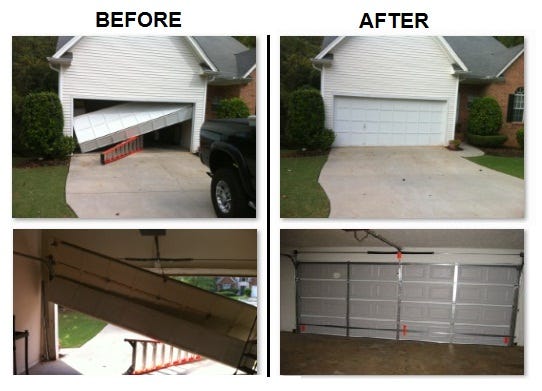
The garage is often one of the most used areas of a home, but it’s easy to overlook until a problem arises. From a malfunctioning door to structural damage, garage issues can be frustrating and sometimes costly if not addressed promptly. Understanding common garage problems and knowing how to fix them can save you time, money, and stress.
In this article, we’ll cover the most frequent garage issues homeowners face and provide practical solutions. Whether you need garage repair for a residential property or support for a commercial space, this guide will help you identify, prevent, and fix common problems effectively.
1. Garage Door Won’t Open or Close
One of the most common garage problems is a door that won’t operate properly. This could be due to a variety of reasons, such as:
- Dead or weak batteries in the remote control
- Misaligned or damaged tracks
- Broken springs or cables
- Motor or sensor malfunctions
How to Fix It:
- Start by checking the remote control batteries and replacing them if needed.
- Inspect the tracks for any visible bends or obstructions and clean them.
- For broken springs or cables, it’s best to call a professional garage repair service because these components are under high tension and can be dangerous to handle.
- Ensure sensors are aligned correctly and free from dust or debris.
Regular maintenance, such as lubricating moving parts and checking alignment, can prevent most garage door issues.
2. Noisy Garage Door
If your garage door sounds louder than usual, it may indicate worn-out or unlubricated parts. Squeaking, grinding, or rattling noises are usually related to:
- Worn rollers
- Loose hardware
- Dry hinges or tracks
- Motor issues
How to Fix It:
- Apply a silicone-based lubricant to hinges, rollers, and tracks to reduce friction.
- Tighten any loose bolts or screws.
- If rollers are worn or damaged, replace them to restore smooth operation.
- For motor-related noises, contact a professional garage repair service to inspect the opener.
A quiet, smoothly functioning door isn’t just convenient—it also helps extend the life of your garage components.
3. Garage Door Misalignment
A garage door that is uneven or doesn’t seal properly can cause gaps, letting in drafts, pests, and moisture. Misalignment is often caused by:
- Improper installation
- Damaged tracks
- Broken springs or cables
How to Fix It:
- Inspect the tracks for bends or obstructions and realign them if necessary.
- Replace any broken or worn springs and cables.
- Call a professional garage repair service for adjustments to ensure safety and proper function.
Misalignment can also stress the motor and other components, leading to bigger issues if left unaddressed.
4. Broken Garage Door Springs
Garage door springs are crucial for lifting and lowering the door. Over time, these springs can wear out or snap, especially with frequent use. Signs of broken springs include:
- Door won’t open
- Loud bangs when operating the door
- Visible gaps in the spring
How to Fix It:
- Never attempt to fix broken springs yourself—they are under extreme tension and can cause injury.
- Contact a certified garage repair professional to replace the springs safely.
Regular inspection and lubrication can extend the lifespan of your springs and prevent sudden failures.
5. Garage Floor Cracks
Cracks in your garage floor are common, especially in older homes or areas with shifting soil. While small hairline cracks may be harmless, larger or widening cracks can indicate structural problems.
How to Fix It:
- Fill minor cracks with concrete filler or epoxy.
- For larger or structural cracks, consult a professional to assess whether reinforcement or floor replacement is needed.
- Regularly seal your garage floor to prevent water penetration, which can lead to cracks and damage over time.
6. Water Leaks and Moisture Issues
Water entering the garage can damage the floor, walls, and stored items. Common causes include:
- Faulty garage door seals
- Improper drainage or grading
- Leaky roof or windows
How to Fix It:
- Replace worn or cracked weatherstripping around the garage door.
- Ensure the ground outside slopes away from the garage to direct water flow.
- Inspect the roof, gutters, and windows for leaks and repair as needed.
Addressing moisture issues promptly prevents mold growth, wood rot, and corrosion of garage components.
7. Electrical Problems
Garages often house lights, outlets, and automatic door openers, making electrical issues a concern. Common problems include:
- Flickering or non-working lights
- Tripped breakers or blown fuses
- Malfunctioning garage door opener
How to Fix It:
- Check the circuit breaker and reset if needed.
- Replace burnt-out bulbs or faulty outlets.
- For wiring issues, always hire a licensed electrician to ensure safety.
Upgrading your garage lighting to energy-efficient LED bulbs can also improve visibility and reduce electricity costs.
8. Garage Storage and Organization Issues
While not a mechanical problem, poor organization can make your garage feel cluttered and reduce functionality. Common storage issues include:
- Lack of shelving or cabinets
- Overcrowded floor space
- Inaccessible tools and equipment
How to Fix It:
- Install custom shelving or wall-mounted racks to maximize vertical space.
- Use storage bins and labels to organize smaller items.
- Consider adding hooks or overhead storage for seasonal equipment.
A well-organized garage improves safety, accessibility, and the overall usability of your space.
9. Preventative Maintenance Tips
Regular maintenance can prevent many common garage problems. Here are some simple tips:
- Lubricate moving parts like hinges, rollers, and tracks every six months.
- Inspect garage doors, springs, and cables for wear and tear.
- Check and replace weatherstripping annually.
- Keep the garage clean and free from debris.
- Schedule professional inspections for doors, electrical systems, and structural elements.
By staying proactive, you can avoid costly repairs and extend the life of your garage components.
Why Professional Garage Repair Matters
While some minor repairs can be done DIY, many garage issues require professional expertise. Certified garage repair services ensure:
- Safe handling of high-tension components like springs
- Proper alignment and installation of doors and hardware
- Quick identification of hidden problems
- Long-term solutions that prevent recurring issues
Whether it’s a residential garage or a commercial property, investing in professional repairs ensures safety, functionality, and peace of mind.
Final Thoughts
Garages are essential spaces for storage, vehicle protection, and sometimes even home workshops. From malfunctioning doors to cracked floors, common garage problems can disrupt daily life and compromise safety.
Understanding these issues and knowing how to address them—whether through garage repair services, proper maintenance, or timely upgrades—can save time, money, and frustration.
Regular inspections, preventative maintenance, and professional repairs not only extend the life of your garage but also improve the overall functionality and appearance of your home or commercial property.
By taking care of your garage, you’re protecting your investment and ensuring that this often-overlooked space remains safe, organized, and efficient for years to come.