
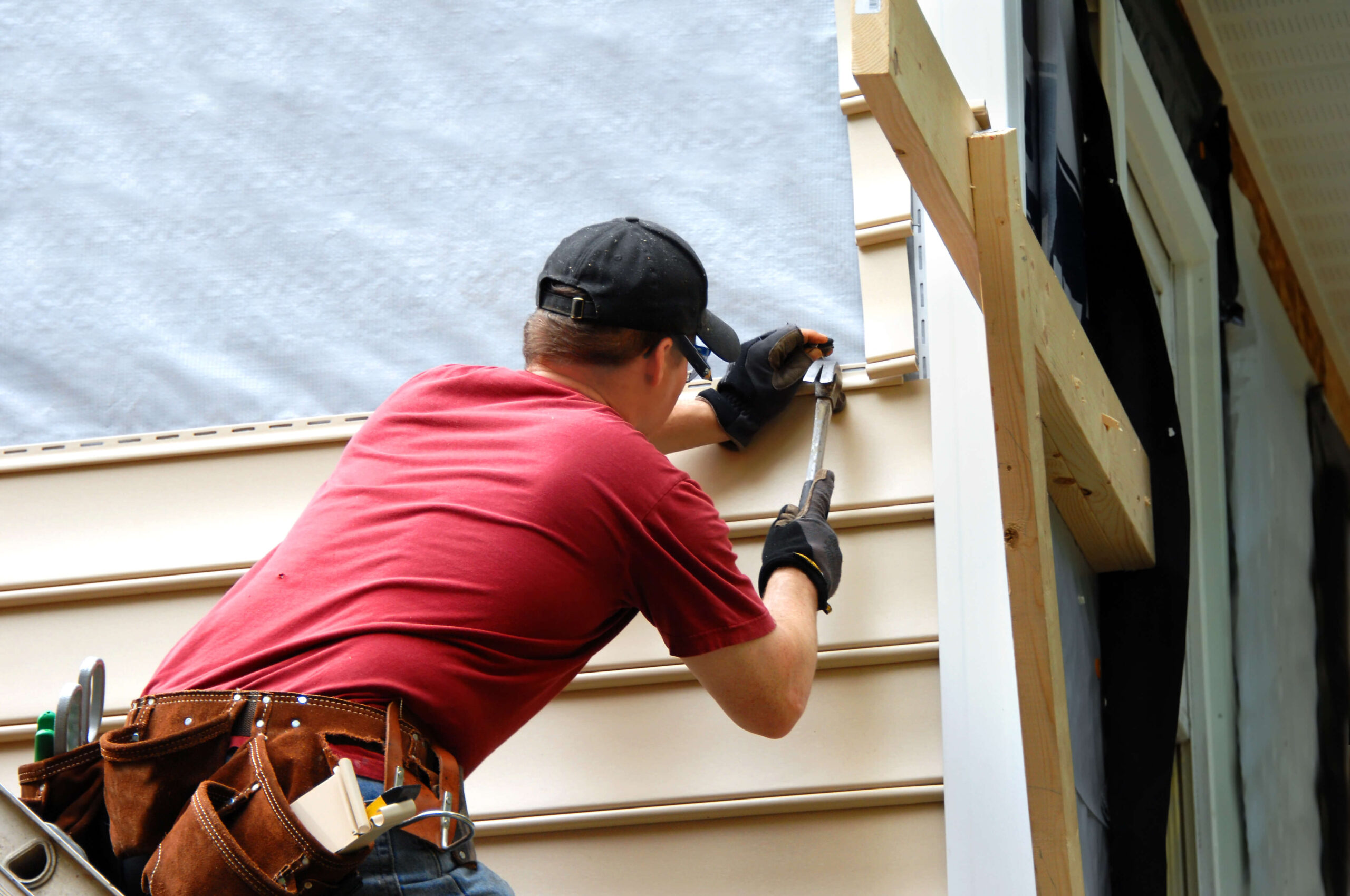
Your home’s siding is more than just an aesthetic feature—it serves as the first line of defense against weather, pests, and environmental damage. Over time, siding can deteriorate due to factors like sun exposure, moisture, wind, and physical impact. Understanding the importance of siding repair and maintenance can save homeowners from costly repairs and preserve the value and beauty of their property.
Signs You Need Siding Repair
Identifying siding damage early is crucial. Common signs include:
- Cracks or Splits – These can let moisture seep in, leading to wood rot or mold growth.
- Warping or Buckling – Often caused by water damage or poor installation.
- Peeling or Fading Paint – May indicate water damage or sun deterioration.
- Loose or Missing Panels – A direct risk for water infiltration and pest entry.
- Mold or Mildew Growth – Visible spots or a musty smell may indicate trapped moisture.
Regular inspection—especially after storms or extreme weather—helps catch problems before they worsen.
Common Causes of Siding Damage
- Weather Exposure: Sun, rain, snow, and wind can gradually wear down siding materials.
- Moisture and Water Damage: Leaks or poor drainage can lead to rot, mold, or mildew.
- Physical Impact: Accidental hits, falling branches, or lawn equipment can cause dents or cracks.
- Age and Wear: Over time, materials like wood, vinyl, and fiber cement naturally degrade.
Types of Residential Siding Materials
Understanding your siding type helps determine the right repair approach:
- Vinyl Siding: Popular for durability and low maintenance; can crack or warp.
- Wood Siding: Offers natural beauty but requires regular maintenance; prone to rot and insect damage.
- Fiber Cement Siding: Highly durable and fire-resistant but can crack if impacted.
- Metal Siding: Resistant to fire and pests but may dent or rust.
Repair vs. Replacement
Minor issues, such as small cracks or loose panels, can often be repaired. Replacement may be necessary if:
- The siding is extensively damaged or rotted.
- Multiple repairs have failed to prevent recurring issues.
- You are upgrading for energy efficiency or curb appeal.
A professional inspection can help you decide whether repair or full replacement is more cost-effective.
DIY Siding Repair Tips
For homeowners comfortable with basic tools, small siding repairs can be handled independently:
- Clean the Area – Remove dirt, mold, or loose paint before starting.
- Patch Small Cracks – Use a siding repair caulk or filler.
- Replace Damaged Panels – For vinyl or wood, carefully remove the damaged panel and install a new one.
- Paint or Seal – Repaint wood siding or seal gaps to prevent water infiltration.
Always follow manufacturer guidelines for your specific siding material.
Hiring a Professional
For major damage or uncertain DIY skills, hiring a siding contractor ensures:
- Accurate assessment of damage.
- Proper material selection and installation.
- Long-lasting, weather-resistant results.
A professional can also inspect underlying structures for hidden water damage, preventing costly issues in the future.
Maintenance Tips to Extend Siding Life
- Clean siding at least once a year to remove dirt, mold, and mildew.
- Inspect and seal gaps around windows, doors, and corners.
- Trim nearby trees and bushes to prevent physical damage.
- Address small cracks or loose panels immediately.
- Maintain proper drainage to avoid water pooling near the foundation.
Conclusion
Residential siding repair is an essential aspect of home maintenance. Timely repairs protect your home from structural damage, maintain energy efficiency, and enhance curb appeal. Whether you choose to tackle minor repairs yourself or hire a professional for larger issues, staying proactive ensures your siding continues to safeguard your home for years to come.